The Sunday Sandbox Method: How to Curate a Week's Worth of Local News in 2 Hours
Stop drowning in endless local feeds. Discover the step-by-step Sunday Sandbox Method to gather, organize, and schedule a week of local news in just two hours.
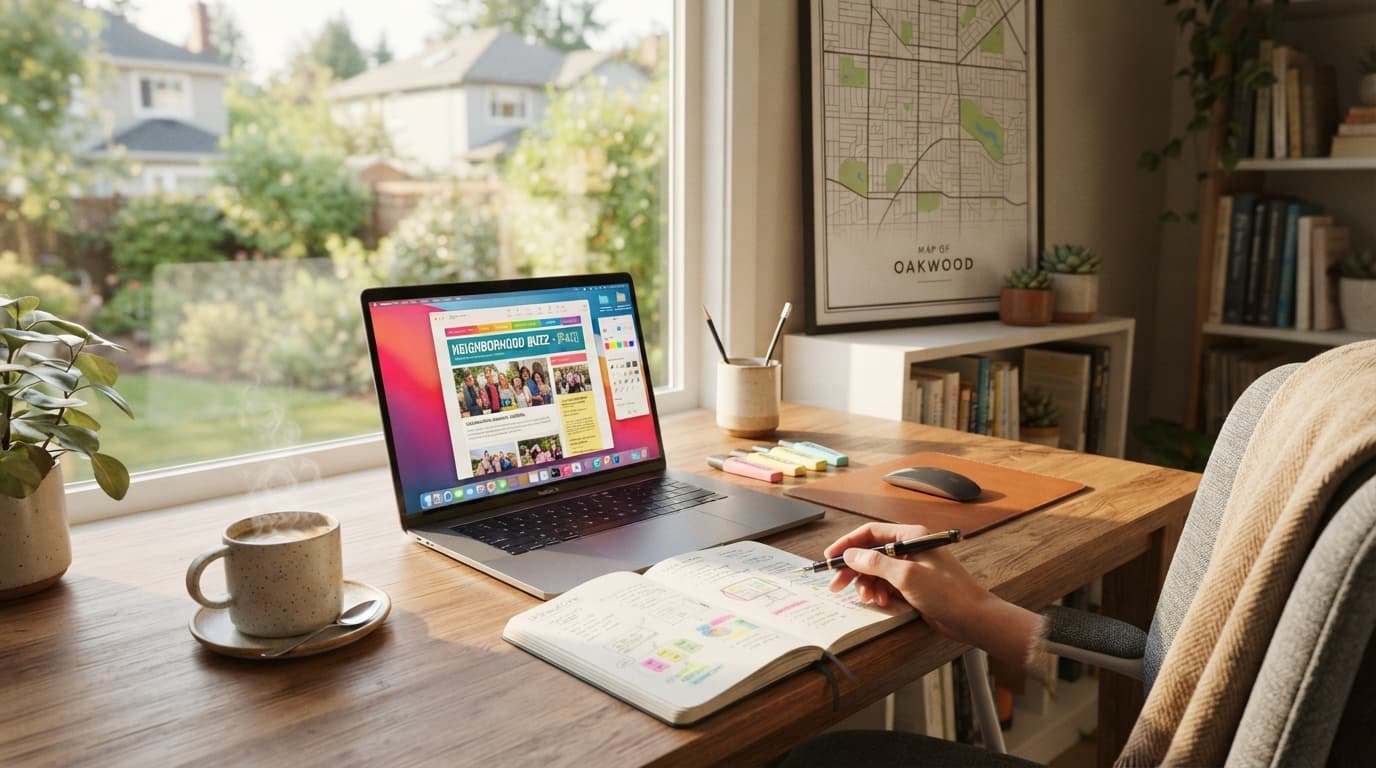
Imagine running a thriving, hyper-local news platform or community newsletter that readers open religiously every morning. Picture your audience thanking you for keeping them informed about town hall debates, weekend farmers' markets, new small business openings, and high school sports victories. Now, imagine doing all of this without feeling like you are tied to a 24/7 breaking-news hamster wheel.
For most local creators, community managers, and indie journalists, the dream of running a local news outlet often crashes into a wall of burnout. You spend hours scouring fragmented Facebook groups, buried city council portals, endless police blotters, and cluttered press releases. By Wednesday, you are exhausted, behind schedule, and questioning why you started in the first place.
Enter The Sunday Sandbox Method. This batch-processing workflow is designed specifically for modern local content creators. By treating your weekly curation process as a contained, creative play space—a two-hour "sandbox" session once a week—you can collect, filter, write, and schedule seven days of high-value local updates without sacrificing your sanity or your weekend.
What is the Sunday Sandbox Method?
The concept of the "sandbox" comes from software development and creative play: it is a isolated, safe environment where you can experiment, build, and organize without external distractions. When applied to local news, the Sunday Sandbox Method turns chaotic, reactive news-gathering into an intentional, proactive system.
Instead of checking neighborhood apps every thirty minutes throughout the week, you condense 80% of your editorial work into a single, focused two-hour block on Sunday. During this time, you pull from pre-established data pipelines, synthesize information, and stack your publishing queue. The remaining 20% of your week is reserved purely for real-time community engagement and urgent, breaking developments.
The Three Core Pillars of the Method
- Time Containment: You set a strict timer for 120 minutes. Constraints breed focus and prevent you from going down infinite digital rabbit holes.
- Pipeline Automation: Information comes to you through pre-set feeds, RSS networks, and automated alerts, eliminating the need to search manually.
- Batch Synthesis: Writing seven short-form updates in one sitting takes a fraction of the cognitive energy required to write them individually across seven different days.
The 2-Hour Sunday Sandbox Breakdown
To execute the Sunday Sandbox Method effectively, you must follow a structured blueprint. Grab a fresh cup of coffee, turn off your phone notifications, and break your 120 minutes down into four precise phases.
Phase 1: The Sweep (0:00 – 0:30)
The first 30 minutes are dedicated entirely to gathering raw material. You are not writing, editing, or formatting yet; you are simply raking information into your sandbox.
Your goal during the Sweep is to skim your designated information hubs and drop promising links or notes into a central workspace. To keep this phase under half an hour, establish a rigid intake ritual:
- Government & Municipal Hubs: Check public meeting agendas, zoning board announcements, and local transit updates. (Tip: Municipal agendas are usually posted late Thursday or Friday afternoon, making Sunday ideal for reviewing them.)
- Hyper-Local Social Listening: Skim curated lists of local business accounts, neighborhood association feeds, and community leaders. Avoid general feeds; use focused lists to eliminate noise.
- School District & Community Calendar Check: Look ahead at upcoming events, high school games, library workshops, and local fundraisers scheduled for the week.
- User-Submitted Tips: Review your inbox for community tips, press releases, and reader submissions that came in over the previous six days.
Phase 2: The Sift (0:30 – 0:50)
Now that you have a pile of raw links and notes, it is time to filter. Not everything you found belongs in front of your readers. Ask yourself three filtering questions for every piece of content:
- Does this directly impact my reader's daily life, wallet, or neighborhood pride?
- Is this information actionable? (Can they attend, vote, buy, or act on it?)
- Is this item unique, or is every mainstream outlet already covering it to death?
Categorize your chosen items into four recurring content buckets: Hard News/Civics (e.g., road closures, school board votes), Community & Culture (e.g., new restaurant reviews, park openings), Local Economy (e.g., job hiring fairs, small business spotlights), and Weekend Outlook (e.g., events, weather patterns, local sports).
Phase 3: The Sculpt (0:50 – 1:30)
This 40-minute window is your primary writing block. Because your outline and links are already sorted, you can write with incredible speed. Apply the "Skimmer’s First" rule of local journalism:
- Lead with the Bottom Line: Write a bold 1-2 sentence summary at the top of each item answering Who, What, and Why It Matters.
- Use Scannable Formatting: Break up text with subheadings, bullet points, and bold text. Readers view local news as a utility; make it easy to consume.
- Add Direct Links & Next Steps: Always provide a direct link to official sources, ticket purchase pages, or public comment forms so your readers can dig deeper if they choose.
Phase 4: The Stack (1:30 – 2:00)
The final 30 minutes are reserved for operational administration: scheduling, visual asset selection, and quality control. Load your written updates into your publishing engine, attach optimized images, proofread for local street name spelling (nothing destroys local credibility faster than misspelling a local landmark!), and queue your automated email newsletters or social posts to drop throughout the coming week.
Setting Up Your Digital Pipeline Before Sunday
The Sunday Sandbox Method relies heavily on input efficiency. If you spend your first 30 minutes looking for passwords or trying to remember which website publishes road closure schedules, the system fails. You must build your digital pipeline ahead of time.
Essential Feeds to Set Up
- Google Alerts: Set up precise Boolean search operators for town names, local officials, school district numbers, and key development projects (e.g., `"Oakridge Town Council" OR "Oakridge Planning"`).
- RSS Collections: Aggregate local blogs, county police department press releases, and regional news RSS feeds into a single reader tool like Feedly or Inoreader.
- Dedicated Email Folder: Create an automated filter in your inbox that routes all incoming local press releases, event announcements, and tips into a folder labeled `#SundaySandbox`. Do not open this folder until your Sunday session starts!
The FluxLocal Advantage
While traditional workflows rely on stitching together five different tools—an RSS reader, a note-taking app, a design program, an email service provider, and a social media scheduler—modern platforms streamline this entirely. This is where FluxLocal transforms the Sunday Sandbox Method from a good personal strategy into an effortless publishing engine.
Designed specifically for hyper-local curators, publishers, and community organizers, FluxLocal acts as your built-in sandbox environment. Instead of jumping between tabs, the platform provides integrated aggregation, curation, and distribution tools tailored for neighborhood-level content.
With FluxLocal, your Sunday morning routine becomes even faster:
- Automated Local Feeds: FluxLocal automatically pulls hyper-local updates, civic announcements, and regional stories into a single intuitive dashboard, eliminating Phase 1 prep work.
- One-Click Curation: Highlight relevant stories, summarize them with intelligent drafting tools, and organize them into clean, reader-friendly blocks in seconds.
- Multi-Channel Distribution: Send your curated weekly digest as an elegant newsletter, publish it to a custom community web hub, and distribute snippet updates to social feeds simultaneously.
By leveraging FluxLocal, community creators frequently report cutting their Sunday setup time down from two hours to under 45 minutes, allowing them to spend less time managing software and more time engaging directly with neighbors.
Best Practices to Keep Your Content Fresh All Week
Batching your news on Sunday does not mean your platform will feel stale on Thursday. To maintain a vibrant, living connection with your local audience, follow these mid-week maintenance rules:
Leave "Slots" for Real-Time Updates
When queuing your daily posts or newsletters on Sunday, design flexible templates with open slots for breaking updates. If a water main breaks or a unexpected storm hits on Wednesday afternoon, you can drop a quick 50-word alert into a pre-formatted template without disrupting your entire weekly editorial slate.
Engage Daily in 10-Minute Bursts
Your content creation is handled, but community interaction still needs your touch. Set a daily timer for 10 minutes every afternoon to reply to comments, answer emails, and re-share user-generated photos of the town. This keeps your community platform warm and human while protecting your calendar.
Conclusion: Reclaim Your Week While Keeping Your Community Informed
Local news does not have to be an all-consuming, chaotic endeavor. You do not need a massive newsroom or 60 hours a week to become the most trusted, indispensable media voice in your town. You simply need a disciplined system and the right tools.
By implementing the Sunday Sandbox Method, you create a sustainable operational boundary. You gain back your weekdays, eliminate publishing anxiety, and deliver consistent, beautifully structured local intelligence that your neighbors will rely on every day.
Ready to streamline your local news workflow and build a thriving community hub without the burnout? Stop wrestling with fragmented spreadsheets and clunky tools. Visit FluxLocal today to discover how our dedicated hyper-local publishing tools can elevate your newsletter, automate your sourcing, and turn your Sunday Sandbox into your competitive advantage.