Inside the Success of a Neighborhood Newsletter with a 70% Open Rate
Discover the exact strategy, design choices, and engagement tactics that powered a local neighborhood newsletter to a staggering 70% open rate—and how you can replicate it.
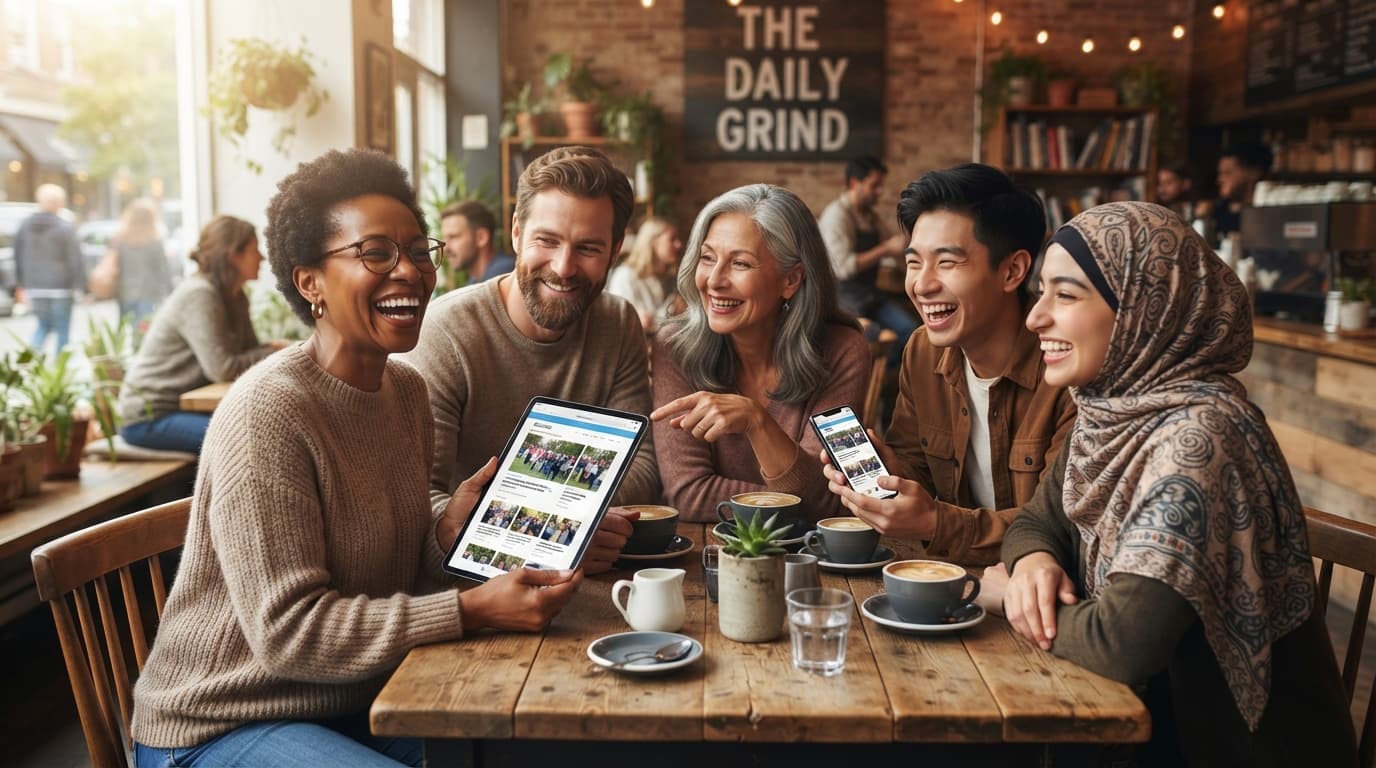
In an era dominated by global social media giants, algorithmic feeds, and overflowing email inboxes, getting anyone to open an email is a minor miracle. The average open rate across all industries hovers somewhere between 15% and 22%. If you manage to hit 30%, you are considered an email marketing prodigy. Yet, in a quiet, tree-lined suburb just outside of a bustling metro area, a weekly neighborhood newsletter called The Oakwood Beat is quietly shattering these industry standards with a staggering, consistent 70% open rate.
This is not a fluke, nor is it the result of a massive marketing budget. It is the product of a highly intentional, deeply empathetic, and hyper-local approach to community communication. For local businesses, community organizers, and neighborhood advocates, this case study offers a masterclass in modern engagement. It proves that when you stop shouting at the masses and start speaking directly to your neighbors, the response is nothing short of extraordinary.
In this deep dive, we will unpack the exact strategies, content frameworks, and technical decisions that allowed this neighborhood newsletter to achieve such remarkable engagement, and how platforms like FluxLocal are making it easier than ever for other communities to replicate this success.
The Anatomy of a 70% Open Rate: Why Local Wins
To understand why The Oakwood Beat succeeds, we must first understand why most newsletters fail. Most email campaigns suffer from "relevance decay." A user signs up for a discount or a one-time resource, and over time, the emails they receive become increasingly generic, promotional, and disconnected from their daily lives. The user stops opening them, and the emails eventually head straight to the spam folder.
The Oakwood Beat flipped this script by establishing a singular, unbreakable rule: If it does not directly impact the lives of the people living within our specific three-mile radius, it does not get published.
By narrowing the geographical and cultural scope of the newsletter, the creators tapped into a fundamental human need: the desire for local connection and belonging. People may ignore global news or corporate promotions, but they will always open an email that tells them why their favorite local park is closed this weekend, which neighborhood restaurant is hosting a block party, or how the upcoming school board vote will affect their property taxes.
Pillar 1: The Hyper-Local Content Filter
The success of The Oakwood Beat relies heavily on its unique content hierarchy. Instead of copying and pasting press releases or aggregation feeds, the editor curates a balance of highly practical utility and warm, human-centric storytelling. Every issue is structured around four core content buckets:
1. "What’s Happening on Our Streets" (Utility)
This section addresses the immediate logistical needs of the neighborhood. It answers the everyday questions that impact a resident's quality of life. Examples include:
- Road closures, construction updates, and changes to utility schedules (e.g., trash pickup delays).
- Local safety alerts, neighborhood watch updates, and lost pet announcements.
- School district calendars, youth sports sign-ups, and community center schedules.
2. "Meet Your Neighbors" (Human Connection)
People do not connect with organizations; they connect with other people. Every week, the newsletter features a brief, three-question interview with a local resident, business owner, or community figure. It could be the high school track coach, the retired librarian who volunteers at the community garden, or the owner of the new corner bakery. This section humanizes the community and transforms a collection of houses into a connected village.
3. "The Weekend Blueprint" (Curation over Creation)
Instead of listing fifty things happening in the greater metropolitan area, the newsletter highlights three high-quality, highly accessible local events happening within walking or short driving distance. By curating the list, the newsletter saves residents time and acts as a trusted advisor for weekend planning.
4. "Local Deals and Discoveries" (Economic Vitality)
Rather than running intrusive banner ads, the newsletter integrates native, highly relevant promotions from local businesses. Whether it is a free pastry with a coffee purchase at the local cafe or a discount on seasonal lawn care from a neighborhood teenager, these offers add tangible financial value to the reader, ensuring they look forward to opening every single issue.
Pillar 2: Formatting for the Modern Reader
Even the best content will go unread if it is presented in a clunky, hard-to-read format. The creators of The Oakwood Beat recognized early on that over 80% of their subscribers opened the newsletter on their mobile devices while drinking their morning coffee or waiting in the school pickup line.
To accommodate this, they designed a layout optimized for scannability and speed. Here is how they did it:
- The "Three-Minute Read" Promise: The top of every newsletter explicitly states that the email can be read in under three minutes. This lowers the psychological barrier to entry for busy readers.
- Minimalist Visual Design: They avoided heavy graphic designs, excessive images, and complex multi-column layouts. Instead, they opted for a clean, single-column text format with plenty of white space and clear, bold headers.
- Bullet Points over Paragraphs: Information is broken down into digestible bullet points. Long-form essays are replaced by punchy summaries with external links for those who want to dive deeper.
Pillar 3: The Science of the Subject Line and Timing
An open rate of 70% is impossible without mastering the art of the inbox first impression. The creators of The Oakwood Beat treat their subject lines as the most important element of the entire newsletter. They avoid boring, repetitive subject lines like "The Oakwood Beat - Issue #54" or "This Week's Neighborhood News."
Instead, they use a formula that combines curiosity with immediate local relevance. Examples of high-performing subject lines include:
- "The new bakery on 4th Ave + Why Elm Street is closed this Saturday"
- "Who won the neighborhood garden award? (Plus: Weekend events inside)"
- "The truth about the new zoning proposal + Free coffee on Friday"
Timing is also crucial. Through rigorous testing, they discovered that sending the newsletter on Thursday mornings at 7:30 AM yielded the highest engagement. At this time, residents are planning their weekends, catching up on morning emails, and looking for a positive, community-focused start to their day.
The FluxLocal Advantage: Replicating Success in Your Community
While the strategy behind The Oakwood Beat is straightforward, executing it consistently can be a daunting task for busy community leaders, local business owners, or neighborhood volunteers. Coordinating subscriber lists, designing mobile-friendly templates, tracking analytics, and managing local business partnerships often require technical expertise and significant time commitments.
This is where FluxLocal changes the game. As a dedicated local community platform, FluxLocal is built specifically to simplify the creation, management, and growth of hyper-local newsletters and community hubs.
By leveraging the power of FluxLocal, community builders can access a suite of specialized features designed to replicate the exact success of The Oakwood Beat:
- Intuitive local Templates: No coding or graphic design experience required. FluxLocal offers clean, mobile-first newsletter templates optimized for quick, scannable reading.
- Seamless Subscriber Management: Easily import, segment, and manage your local subscriber lists, ensuring your messages always reach the right neighbors.
- Local Business Integration: Built-in tools that allow local businesses to easily submit promotions, coupons, and sponsorships, creating a sustainable revenue model for your newsletter.
- Community Engagement Features: Integrate polls, surveys, and interactive feedback loops to turn your newsletter from a one-way broadcast into a two-way neighborhood conversation.
With FluxLocal, the technical barriers are completely removed, allowing you to focus entirely on what matters most: curating great local content and building genuine connections with your neighbors.
A Step-by-Step Blueprint to Launch Your Own Neighborhood Newsletter
If you want to build a highly engaged local community newsletter from scratch, follow this simple, actionable blueprint:
- Step 1: Define Your Boundaries. Do not try to cover an entire city. Start with a specific neighborhood, school district, or commercial district. Keep your focus tight.
- Step 2: Gather Your First 50 Subscribers. Post in local social media groups, attend neighborhood association meetings, or talk to your immediate neighbors. Ask them what information they feel is currently missing from their daily lives.
- Step 3: Establish a Consistent Cadence. Whether you choose weekly, bi-weekly, or monthly, commit to a strict schedule. Consistency builds trust, and trust drives open rates.
- Step 4: Keep It Human. Prioritize stories about people, local history, and community efforts over sterile announcements or overly polished marketing materials.
- Step 5: Use the Right Tools. Avoid using generic, bloated email marketing software. Partner with a platform like FluxLocal that is specifically engineered for local community engagement.
Conclusion: The Future of Media is Hyper-Local
The extraordinary 70% open rate of The Oakwood Beat is not a historical anomaly; it is a clear signpost pointing toward the future of communication. As the internet grows larger and noisier, our world is paradoxically shrinking. People are actively seeking out hyper-local oasis points—trusted sources of information that help them navigate their immediate physical surroundings and connect with the people next door.
Whether you are a local business looking to build deep customer loyalty, a neighborhood association striving to increase meeting attendance, or simply a passionate resident who wants to bring your community closer together, a hyper-local newsletter is one of the most powerful tools at your disposal.
Are you ready to transform your neighborhood and build a highly engaged, connected community of your own? Take the first step today. Visit FluxLocal and discover how easy it is to launch your own high-impact local newsletter.
---CONTENT_END---