The Neighborhood Creator: Crucial Legal Considerations for Local News Publishers
Building a local news outlet is a powerful way to serve your community, but it comes with unique legal risks. Learn how to navigate defamation, copyright, and privacy laws safely.
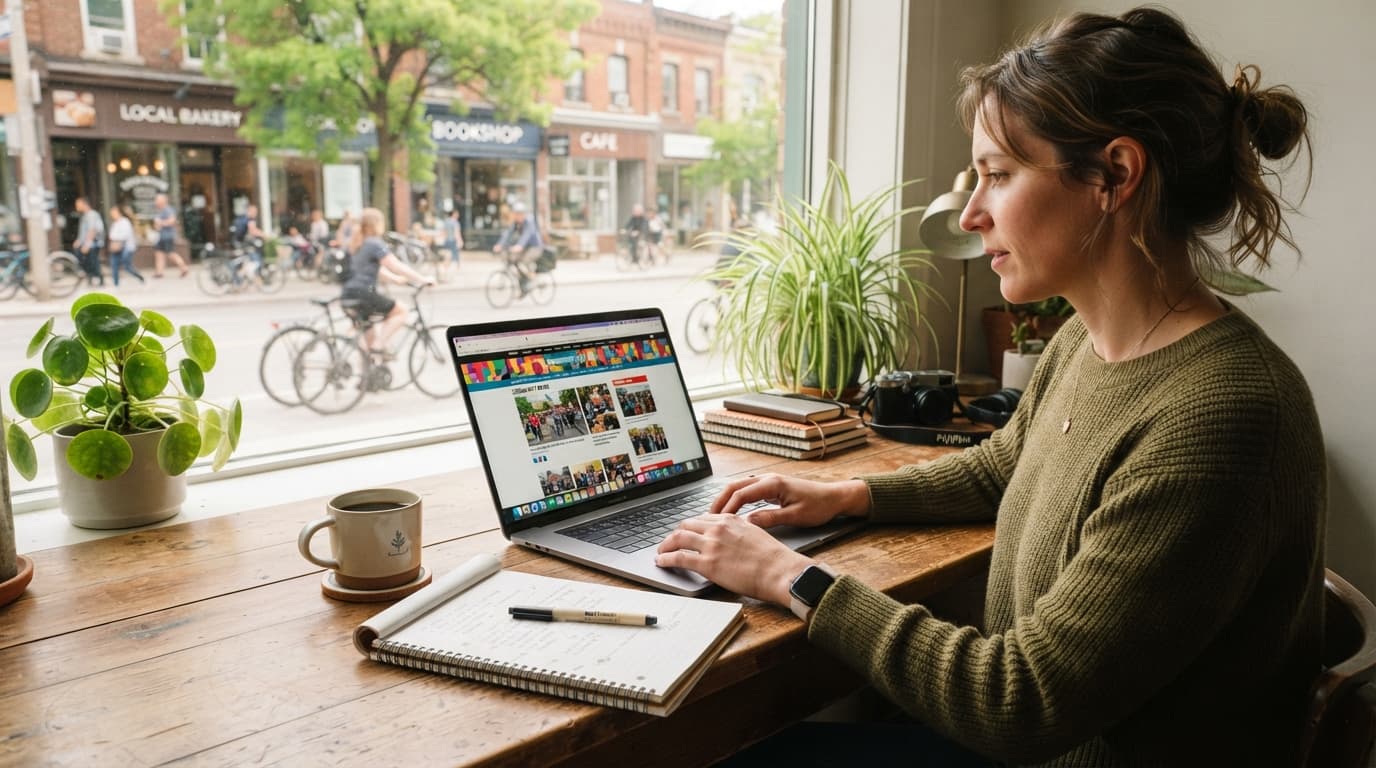
There is a unique thrill in becoming the digital heartbeat of your community. When you launch a local news site, newsletter, or neighborhood platform, you transition from being a passive observer to a "Neighborhood Creator"—a vital civic conduit who shines a light on local government, celebrates small businesses, and connects neighbors. However, holding this megaphone comes with significant responsibility. In the passion of launching a community platform, it is easy to forget that local journalism is bound by the same rigorous legal frameworks that govern major media conglomerates like the New York Times or CNN.
In local news, the stakes can feel intensely personal. A critical review of a neighborhood diner, a report on a zoning dispute, or a shared photo from a town council meeting can trigger swift backlash. Unlike national reporters backed by massive legal departments, independent neighborhood creators often fly solo. One costly legal misstep can shutter a promising community outlet overnight. To build a sustainable, trusted local news brand, you must understand the legal guardrails of the publishing industry. This comprehensive guide explores the essential legal considerations every local news publisher must navigate to protect their platform, their passion, and their community.
1. Defamation, Libel, and Slander in the Local Arena
At its core, defamation is any false statement presented as fact that causes material or reputational harm to a person or business. When written down—as is almost always the case in digital publishing—it is referred to as libel. In a tight-knit community, where reputations are currency, accusations of libel are the most common legal threat local publishers face.
The Legal Elements of Libel
To successfully sue a publisher for libel, a plaintiff generally must prove four distinct elements:
- Publication: The false statement was communicated to a third party (e.g., published on your blog, social media page, or newsletter).
- Identification: The statement clearly identifies the plaintiff, either by name or through obvious context that allows community members to figure out who is being discussed.
- Harm: The statement caused reputational damage, financial loss, or emotional distress.
- Fault: The publisher acted with a requisite level of negligence or malice (explained below).
The Public vs. Private Figure Distinction
Under United States media law, the standard of proof depends heavily on who the plaintiff is. Understanding this distinction is critical for neighborhood creators:
- Private Figures: Your average neighbor, local teacher, or small business owner is considered a private figure. To win a libel suit, they usually only need to prove that you acted with negligence—meaning you failed to exercise reasonable care in verifying the facts before publishing.
- Public Figures and Public Officials: Mayors, police chiefs, and prominent community leaders are held to a much higher standard. They must prove actual malice, meaning you published the statement knowing it was false, or with reckless disregard for whether it was true or false.
Practical Defenses and Best Practices
The absolute defense against libel is truth. If a statement is verifiably true, it cannot be defamatory. However, proving truth in court is expensive. To protect yourself, always practice rigorous verification. Never rely on a single, anonymous source for damaging information. Always give the subject of a critical story an opportunity to respond before you hit publish, and print their response fairly. Lastly, distinguish clearly between objective facts and opinion; pure opinion is protected under the law, but wrapping a false factual claim in "I think..." does not protect you.
2. Navigating Copyright and Intellectual Property Laws
As a neighborhood creator, you are constantly sourcing content. You need photos of local parks, logos of local businesses, and snippets of municipal documents. However, just because an image is accessible on Google or shared on a public Facebook group does not mean you have the legal right to republish it on your platform.
The Pitfalls of "Found" Imagery
Copyright infringement is a strict liability civil offense. This means that even if you did not intend to steal someone's work, and even if you credit the photographer, you can still be sued and held liable for statutory damages. "Right-click, save" is one of the most dangerous habits a digital publisher can develop. Specialized copyright firms use automated web crawlers to find unlicensed uses of images, sending aggressive demand letters for thousands of dollars to unsuspecting local publishers.
Understanding Fair Use
Many creators mistakenly believe that any use of copyrighted material for "news" falls under the Fair Use doctrine. While copyright law does carve out exceptions for criticism, comment, news reporting, teaching, and research, Fair Use is a complex, four-factor legal defense analyzed on a case-by-case basis:
- The purpose and character of the use (commercial vs. non-profit/educational).
- The nature of the copyrighted work.
- The amount and substantiality of the portion used in relation to the whole.
- The effect of the use upon the potential market value of the original work.
Do not assume your news reporting qualifies as Fair Use. Using a local photographer's scenic shot of the town square to decorate your weekend guide is rarely considered Fair Use; it is simply copyright infringement.
Safe Sourcing Strategies
To keep your platform legally safe, build a robust library of original photography. When that is not possible, use trusted stock photo sites that offer explicit commercial licenses, or search for images under creative commons licenses (ensuring you follow the attribution rules perfectly). When in doubt, ask the creator for written permission via email before publishing.
3. Privacy Rights and Public Spaces
Reporting on your local community means turning your camera and notepad toward real people. While the First Amendment provides broad protections for gathering news, it is balanced against an individual's right to privacy. There are three primary privacy torts that local publishers must watch out for: intrusion upon seclusion, public disclosure of private facts, and false light.
The Expectation of Privacy
The golden rule of street photography and reporting is simple: people in public spaces generally do not have a reasonable expectation of privacy. You are legally allowed to photograph people walking down Main Street, attending a town parade, or sitting in a public park. However, this right vanishes once you cross onto private property. Taking photos through a window into someone’s home, or publishing details about someone's private medical condition or financial status, can lead to severe legal penalties for invasion of privacy.
The Hazard of "False Light"
False light is closely related to defamation. It occurs when a publisher presents someone in a highly offensive, misleading way that is technically not defamatory but still deeply misleading. For example, if you write an article about a rise in local shoplifting and illustrate it with a random photo of a identifiable teenager walking out of a local convenience store, you may be sued for placing that innocent teenager in a "false light." Always ensure your illustrative photos directly match the context of the story.
4. User-Generated Content and Section 230 Protection
For many local platforms, the magic lies in community interaction. You might host a local forum, a directory where businesses can claim profiles, or simply a vibrant comment section at the bottom of your articles. What happens when a neighbor leaves a defamatory comment about a local landlord on your site? Are you, the publisher, liable?
The Power of Section 230
In the United States, Section 230 of the Communications Decency Act is the most crucial legal shield for digital publishers. It states that "no provider or user of an interactive computer service shall be treated as the publisher or speaker of any information provided by another information content provider." In plain English, this means you are generally not legally responsible for the defamatory comments, forum posts, or uploaded images provided by your users.
Preserving Your Liability Shield
To maintain your Section 230 protections, you must avoid actively editing or co-creating the illegal content. If you heavily edit a user's comment to the point where you change its meaning, you may lose your immunity. However, you are legally permitted to perform basic moderation—such as deleting hate speech, off-topic spam, or profanity—without losing your Section 230 protections. It is highly recommended to establish a clear Terms of Service and Moderation Policy on your platform so users know what behavior is expected.
5. The FluxLocal Advantage: Merging Local Journalism with Legal Peace of Mind
Building a local news platform from scratch requires wearing a dozen different hats: reporter, editor, salesperson, web developer, and compliance officer. It is easy to feel overwhelmed by the technical and legal complexities of keeping a community site running smoothly. This is where partnering with a dedicated community platform can transform your operations.
The FluxLocal advantage lies in its comprehensive, turnkey infrastructure designed specifically for neighborhood creators. Instead of spending thousands of dollars trying to stitch together vulnerable WordPress plugins, custom forums, and ad servers, FluxLocal provides a secure, modern publishing platform engineered with the needs of local journalists in mind.
By leveraging FluxLocal, you gain access to:
- Structured Community Tools: Built-in moderation frameworks and user management systems that help you maintain Section 230 immunity seamlessly.
- Standardized Terms of Service: Pre-built legal templates and privacy policies tailored for hyper-local publishers, ensuring you comply with modern privacy acts like the CCPA and GDPR.
- Secure Hosting and Maintenance: Automatic security updates that shield your local publication from malicious hacks, data breaches, and accidental data exposure.
By taking the technical and compliance guesswork out of the equation, FluxLocal allows you to focus on what you do best: telling the stories that matter to your neighbors and building a thriving local economy.
Conclusion: Empowering Your Community Safely
Becoming a neighborhood creator is one of the most rewarding entrepreneurial journeys you can embark upon. Local journalism keeps democracies healthy, supports local economies, and fosters a deep sense of belonging among residents. But great power requires great care. By familiarizing yourself with the laws of defamation, respecting intellectual property, safeguarding personal privacy, and maintaining clear boundaries for user-generated content, you can build a resilient digital publication that stands the test of time.
Don't let the fear of legal hurdles hold you back from serving your community. With the right legal awareness and a powerful platform behind you, you can launch your hyper-local digital empire with confidence. Are you ready to become the trusted voice of your neighborhood? Partner with the experts who understand local publishing inside and out. Explore FluxLocal today and discover how easy, secure, and rewarding building a neighborhood community platform can be.
---CONTENT_END---