Revolutionizing Local Media: How a Self-Serve Merchant Dashboard Unlocks Sustainable Newsletter Revenue
Learn how introducing a self-serve merchant dashboard transforms newsletter monetization by letting local businesses book, design, and manage their own ad space seamlessly.
Every morning, thousands of local community creators, neighborhood publishers, and digital journalists wake up with the same core dilemma: how to keep producing high-quality local content while building a reliable, scalable revenue stream. You spend hours writing compelling stories about school board meetings, new restaurant openings, and weekend festivals. Your audience loves you. Your open rates are enviable—often topping 45% or 50%. Yet, when it comes to selling ad space to the local hardware store, the neighborhood bakery, or the boutique real estate agency, the monetization engine grinds to a painful halt.
Traditional ad sales require an exhausting amount of friction. You send cold emails, negotiate custom rates via endless reply chains, wait weeks for PDF graphics that are formatted incorrectly, manually copy and paste copy into your email editor, and spend extra days chasing unpaid invoices. This manual process limits your growth and distracts you from your core mission: serving your community. The solution to this operational bottleneck isn't hiring an expensive sales team; it is democratizing access to your ad space through a dedicated, self-serve Merchant Dashboard.
The Structural Problem with Traditional Local Ad Sales
Hyperlocal newsletters are arguably the most potent marketing channel for small-and-medium-sized businesses (SMBs) today. Unlike social media platforms, where algorithm shifts routinely bury organic business posts, a local newsletter delivers a direct, guaranteed line to a verified neighborhood audience. However, the legacy model for acquiring and managing these advertising partnerships is deeply flawed for both creators and local merchants.
1. High Administrative Overhead for Creators
For independent publishers, selling a single banner ad or sponsored slot can consume three to five hours of administrative labor. When you break down the time spent on sales pitches, creative revisions, calendar scheduling, invoicing, and reporting performance back to the sponsor, your hourly return diminishes rapidly. If an ad slot sells for $100, but takes four hours to facilitate, you are operating on razor-thin margins.
2. High Barriers to Entry for Busy Business Owners
Local business owners are extraordinarily busy. A restaurant owner is busy managing staff, managing inventory, and prepping for the dinner rush; they do not have time to negotiate back-and-forth email threads or learn complex media buying suites designed for enterprise marketers. If buying an ad in your newsletter requires multi-step approval workflows and phone calls, busy merchants will simply defer to simplified, instant options like boosting a post on Facebook, even if it yields lower actual foot traffic.
3. Inventory Wastage and Inconsistent Cash Flow
Because selling ads manually takes so much effort, inventory frequently goes unsold. A issue going out on Thursday might have two empty ad slots simply because you didn't have the time to reach out to potential sponsors on Monday. Unsold newsletter real estate is perishable revenue—once the issue is sent, that potential income is lost forever.
What is a Self-Serve Merchant Dashboard?
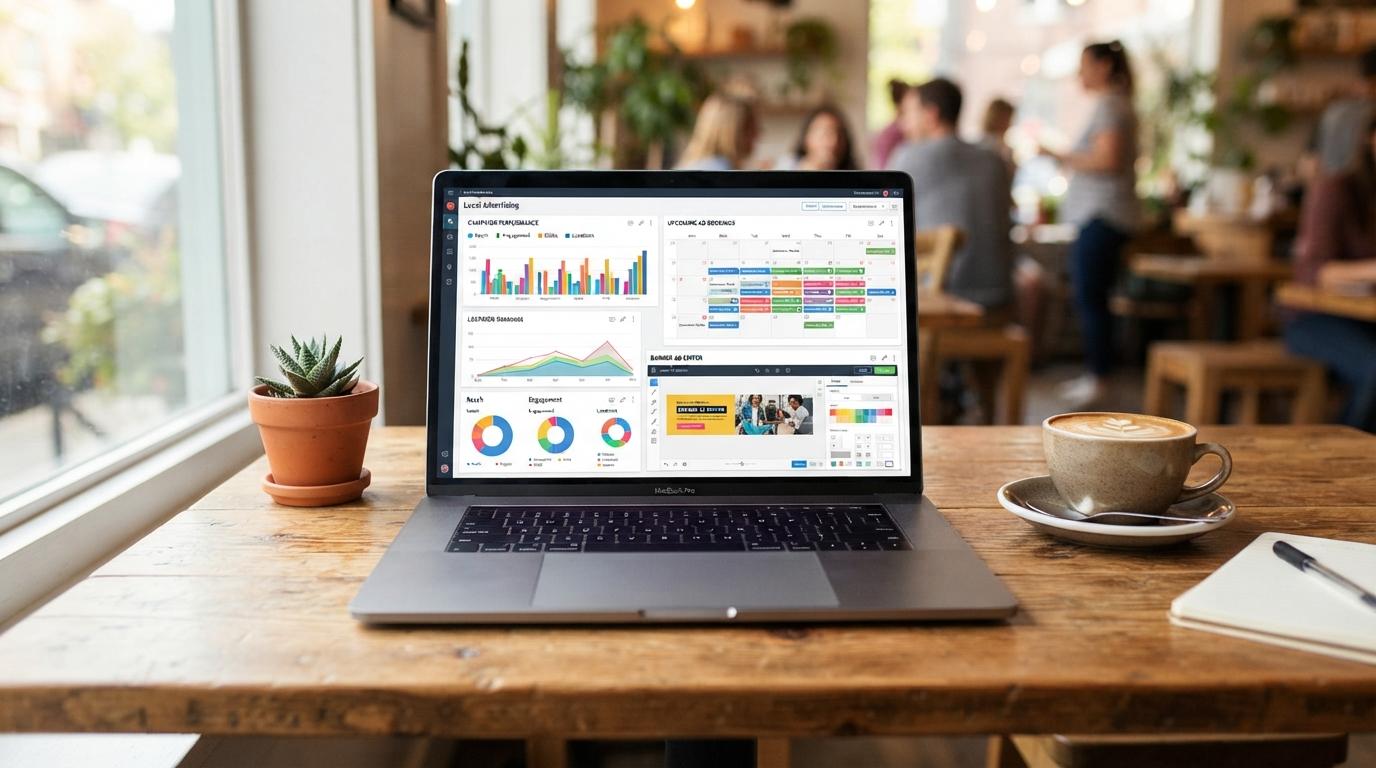
A self-serve Merchant Dashboard is a centralized digital portal integrated directly into your newsletter platform or website. It functions as a automated storefront for your advertising inventory. Instead of contacting you personally, a local advertiser visits your dedicated sponsor page, selects an available date from an interactive calendar, chooses their preferred ad format, uploads their copy and visuals, and checks out securely via credit card.
By shifting from a high-touch sales model to an automated self-serve platform, you turn advertising into an e-commerce transaction. This simple structural pivot solves the friction points on both sides of the marketplace.
The Core Features of an Effective Self-Serve Ad Portal
To successfully transition your local sponsors to a self-serve environment, your Merchant Dashboard must be designed with simplicity, transparency, and speed in mind. Here are the non-negotiable features every modern local ad dashboard requires:
- Real-Time Inventory Calendar: A clear visual calendar displaying available, pending, and booked ad spots allows merchants to plan their promotional campaigns around seasonal pushes, sales events, or grand openings without asking you for availability.
- In-Browser Visual Ad Builder: A lightweight editor that lets business owners upload their logo, write their headline and body copy, set a destination URL, and preview exactly how their ad will look on both desktop and mobile email clients.
- Automated Payment Gateway: Upfront payment processing via credit card or direct debit eliminates chasing unpaid invoices and reduces non-payment risks.
- Clear Performance Analytics: A simple post-campaign report that shows advertisers their total impressions, unique opens, and link clicks, building long-term trust and encouraging repeat bookings.
- Automated Content Approval Workflows: You retain final editorial control. Before any ad goes live, you receive a notification to approve, reject, or request adjustments with a single click.
Why Local Merchants Prefer Self-Serve Portals
It is easy to see how a self-serve workflow benefits the newsletter creator, but the positive impact on local business owners is equally profound. When you offer local advertisers a self-serve dashboard, you are offering them control, speed, and professional empowerment.
Instant Gratification and Convenience
Small business owners often make marketing decisions outside of standard business hours—frequently late at night after their doors are closed. A self-serve merchant portal is open 24/7. A salon owner can log in at 10:00 PM on a Sunday, book a sponsored slot for Thursday's newsletter to fill open appointments, upload their image, pay, and go to bed knowing their campaign is scheduled.
Budget Transparency and Low Micro-Commitments
Traditional print media and local radio stations often demand expensive quarterly contracts or complex pricing tiers that intimidate small business owners. A self-serve newsletter dashboard presents transparent, flat-rate pricing (e.g., "$75 per classified ad" or "$200 per main banner"). This allows local businesses to test campaigns with minimal risk and scale up their spend based on proven results.
Creative Autonomy with Built-in Guardrails
Merchants like having control over their brand voice. An intuitive dashboard lets them write their own copy and tailor their messages directly to your hyper-engaged neighborhood readers. Built-in character limits and photo aspect ratio locks give them creative freedom while preventing accidental layout glitches in your master newsletter template.
How to Transition Your Local Sponsors to Self-Serve
Shifting your existing advertising partners from legacy email threads to an automated portal requires clear communication and a thoughtful onboarding strategy. Here is a step-by-step roadmap to make the transition seamless:
Step 1: Audit and Package Your Inventory
Standardize your advertising formats into standard, easily reproducible blocks. Limit yourself to two or three standard ad types to avoid decision paralysis for sponsors. Common formats include:
- The Main Sponsor Banner: Positioned at the top of the newsletter, featuring a high-res image, 100 words of copy, and a prominent call-to-action button.
- The Community Spotlight: A mid-newsletter placement styled like editorial content, ideal for storytelling, interviews, or highlighting local services.
- The Classified Line Ad: A low-cost, text-only option located near the footer, perfect for job postings, real estate listings, or quick event announcements.
Step 2: Set Transparent, Dynamic Pricing
Establish clear, competitive pricing based on your total subscriber count, average open rate, and click-through rate. If you offer multiple ad slots, consider automated package discounts—such as a 15% discount when a merchant books three consecutive weeks in advance—to increase your average order value and lock in predictable recurring revenue.
Step 3: Launch with an exclusive "Pioneer" Promotion
Reach out to your existing, loyal local advertisers first. Offer them an exclusive discount code to test out the new dashboard. Frame the new system as an upgraded feature designed to make their lives easier, giving them priority access to select peak dates before the portal is announced publicly.
Step 4: Promote Your Portal In Your Own Newsletter
Your best prospective advertisers are already reading your newsletter every week. Dedicate a permanent link in your newsletter footer that says: "Want to promote your business to 10,000 local neighbors? Book your ad slot in under 2 minutes here."
The FluxLocal Advantage
While the strategy behind automated local advertising is clear, technical execution can be a major hurdle for busy creators. Building custom ad-booking infrastructure from scratch requires complex database integrations, custom payment setups, and ongoing software maintenance. That is where FluxLocal transforms the game for community publishers.
Designed specifically to empower regional content creators and local publications, FluxLocal provides a comprehensive turn-key ecosystem that includes a robust, beautifully styled Merchant Dashboard right out of the box. Instead of stitching together disparate software solutions, FluxLocal unifies your audience management, content distribution, and advertising engine into a single intuitive interface.
With FluxLocal, your business sponsors get access to a tailored dashboard where they can manage their bookings, upload assets, track their performance metrics, and submit payments automatically. As a publisher, you retain complete editorial oversight with streamlined one-click approvals, automated reminder notifications, and real-time revenue analytics. By handling the heavy technical lifting, FluxLocal allows you to focus on producing outstanding community journalism while growing your automated advertising operations.
Unlocking the Full Revenue Potential of Hyperlocal Media
The rise of digital community newsletters proves that local audiences crave high-quality, neighborhood-level information. Local businesses are eager to reach these active community members, but outdated, friction-filled sales models have held both creators and advertisers back for far too long.
Introducing a self-serve Merchant Dashboard removes the administrative burden of media sales. It transforms your newsletter from a labor-intensive project into a streamlined modern business engine. By offering local merchants a simple, accessible way to buy ad inventory, you unlock consistent daily revenue, build deeper relationships with local entrepreneurs, and safeguard the financial future of your local publication.
Are you ready to automate your ad sales, empower your local business community, and take your newsletter revenue to the next level? Explore how FluxLocal can help you launch your own self-serve ad ecosystem today.