The Local Link-Building Blueprint: Getting Backlinks from Neighborhood Blogs and Council Sites
Uncover the step-by-step strategy for securing hyper-local backlinks from neighborhood blogs, parish councils, and community portals to dominate local search results.
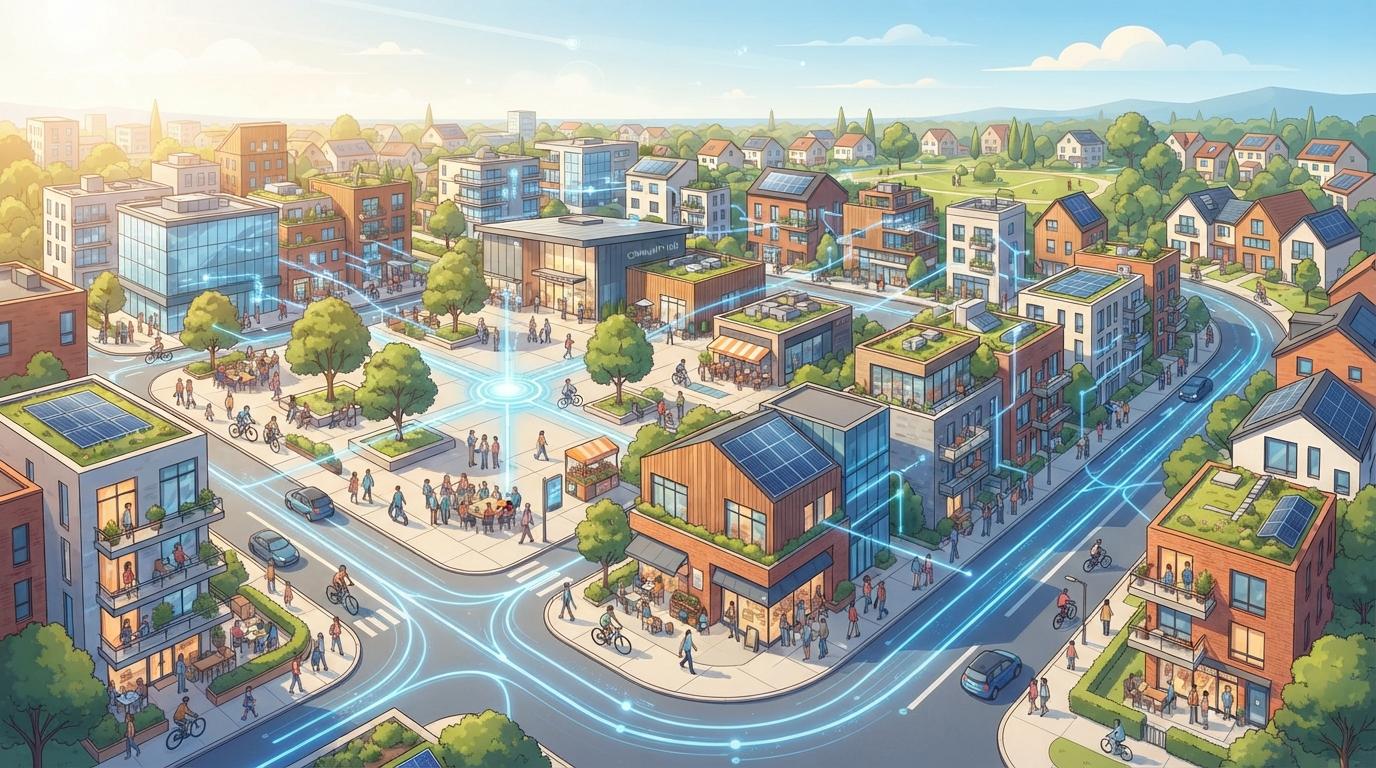
Imagine standing in the center of your town's busiest square, trying to get the attention of thousands of passing residents. You could hand out flyers, shout through a megaphone, or pay thousands for a billboard that most people will scroll past on their phones. But in the digital age, local dominance isn't built on the street corner—it's built in the search results. And when it comes to local Search Engine Optimization (SEO), one currency reigns supreme: hyper-local backlinks.
Most business owners and digital marketers understand the general concept of link building. You reach out to industry publications, guest post on tech blogs, or write press releases. However, for a business serving a specific geographic radius, a backlink from a massive national website often carries less geographic weight than a single link from your local parish council website or a beloved neighborhood blogger. These hyper-local signals tell Google exactly where you operate and that your community trusts you.
In this comprehensive blueprint, we will dissect the exact strategies you need to earn high-authority backlinks from neighborhood blogs, municipal council portals, and community hubs, transforming your local digital footprint from invisible to invincible.
Why Hyper-Local Backlinks Are Your Secret Weapon for Local SEO
Google’s algorithm has evolved far beyond simply counting the sheer volume of links pointing to a website. Today, contextual relevance and proximity are crucial factors in determining which businesses appear in the coveted "Local 3-Pack" and top organic search rankings. When search engines evaluate a local service provider or retailer, they look for geographic signals that validate physical location and community integration.
The Geographic Authority Factor
Search engines process location data continuously. If you run a bakery in Austin, Texas, a backlink from a well-known national food network is fantastic for general authority. However, a backlink from the South Austin Neighborhood Association provides Google with explicit geographic context. It confirms that your business physically exists within that specific ecosystem and interacts with local residents.
Lower Competition, Higher Conversion Rates
While global companies spend millions competing for broad key phrases, hyper-local link building operates in a much less crowded arena. Your competitors are likely ignoring town council directories, neighborhood news blogs, and local event pages. Securing these links not only boosts your domain authority but also drives highly targeted referral traffic. A visitor clicking a link on a neighborhood blog is far more likely to convert into a paying customer than a random visitor from an international directory.
Part 1: Securing High-Authority Backlinks from Council and Municipal Sites
Government (.gov) and official municipal or parish council websites are the holy grail of local link building. They carry immense domain authority and trust in the eyes of search algorithms. Securing a link from a local council site tells search engines that your business is an established, legitimate pillar of the community. Here is how to ethically earn them.
1. Sponsoring Community Events and Initiatives
Municipalities and local councils frequently organize or sponsor public events—festivals, charity runs, park cleanups, and holiday markets. These events almost always have dedicated landing pages on the council’s website listing official sponsors.
- Identify Opportunities: Visit your local council’s "Events" or "Community" tab to check for upcoming civic initiatives.
- Offer Value Beyond Money: If a cash sponsorship isn't in your budget, offer services. A local printer can supply banners, a catering business can supply lunches for volunteers, or a digital agency can build the event sign-up form.
- Request the Link: Ensure that your agreement includes a active hyperlink back to your website, complete with optimized anchor text (e.g., "[Your Business Name], local plumber in [Town Name]").
2. Listing in Municipal Business Directories
Many city, county, and parish councils maintain official directories to support economic development in their regions. Surprisingly, many local businesses are absent from these lists simply because they never asked to be included.
- Search Google using queries like
site:.gov "business directory" [your city]orsite:.gov.uk "local businesses" [your town]. - Submit your details via the official council portal, ensuring your Name, Address, and Phone number (NAP) match your Google Business Profile exactly.
3. Providing Expert Resources for Council Portals
Local councils often host resource guides for residents covering topics like home maintenance, sustainability, recycling, and emergency preparedness. Position your business as an expert contributor by reaching out to the council's digital media officer with high-value, non-promotional educational resources.
Part 2: Partnering with Neighborhood Blogs and Local Micro-Influencers
Beyond official government portals, neighborhood blogs, local lifestyle magazines, and area-specific micro-influencers form the heartbeat of community communication. These platforms often boast passionate, highly engaged audiences who trust the publisher's recommendations.
1. Mapping Your Local Blogosphere
Before launching an outreach campaign, you must map out the content creators in your immediate vicinity. Look beyond massive city-wide publications and focus on hyper-local neighborhoods.
- Neighborhood News Blogs: Independent journalists covering hyper-local politics, developments, and community news.
- Parenting and Lifestyle Blogs: Local parents documenting child-friendly activities, local schooling, and family-owned businesses.
- Food and Retail Reviewers: Micro-influencers running blogs dedicated to hidden gems in your postal code.
2. Pitching Authentic Local Stories
Neighborhood bloggers are continuously searching for compelling content that resonates with their specific readership. They rarely want to publish a generic press release about your business opening; they want a story about people and community impact.
- The Anniversary Angle: Celebrate your 10th year in business by highlighting how the neighborhood has evolved during that time.
- The Community Service Angle: Announce an initiative where a percentage of your monthly profits will support a local shelter or school library.
- The Local Guide Angle: Co-create a resource, such as "The Ultimate Guide to Historic Buildings in [Neighborhood]," featuring local landmarks alongside a subtle mention of your business.
3. Host or Co-Host a Local Workshop
Collaborate with a neighborhood blogger to host an educational workshop. For instance, a local gardening center could partner with a neighborhood lifestyle blogger to present a "Urban Balcony Gardening Masterclass." The blogger promotes the event on their site with a backlink to the sign-up page, creating an authentic win-win partnership.
The Technical Blueprint: Outreach Templates That Get Opened
Outreach to local figures requires a fundamentally different tone than traditional digital PR. Avoid cold, automated corporate speak. Local outreach must feel personal, neighborly, and genuinely collaborative.
Sample Outreach Script for Local Blogs
Use this customizable blueprint when reaching out to neighborhood bloggers:
Subject: Loved your recent post on [Local Landmark/Event]!
Hi [Blogger Name],
I’ve been following [Blog Name] for a while—your recent piece on the [Specific Local Topic] was spot on, especially your point about [Specific Detail].
I run [Your Business Name], located right down the street near [Well-Known Local Landmark]. We’re currently working on a free community resource called "[Title of Resource/Guide]," which highlights [Value to Neighborhood Residents].
Given how much your readers care about [Topic], I thought this might be a great resource to share with your audience. We'd also love to feature your blog in our upcoming community newsletter!
Would you be open to taking a quick look?
Best regards,
[Your Name]
[Your Title & Business Name]
[Physical Business Address]
The FluxLocal Advantage: Streamlining Community Connections
While manual outreach to neighborhood blogs and council websites yields incredible results, finding every active local publisher and navigating municipal portals can be extremely time-consuming. That is precisely why we built FluxLocal.
FluxLocal is a cutting-edge community integration and hyper-local marketing platform designed to bridge the gap between small businesses, local creators, and community organizations. Rather than sending cold emails into the void, FluxLocal connects you directly with verified neighborhood channels, making local link acquisition, co-marketing, and brand visibility effortless.
How FluxLocal Enhances Your Local Link-Building Strategy
- Centralized Community Hub: Discover active local bloggers, neighborhood publications, and civic organizations within your exact geographic radius without hours of manual Google searches.
- Direct Outreach Channels: Connect with local digital creators who are actively looking for local business partnerships, expert quotes, and community sponsorships.
- Automated Hyper-Local Signals: By listing your business within the FluxLocal ecosystem, you instantly generate structured, location-rich signals that search engines use to establish regional relevance and geographic authority.
- Verified Neighborhood Reach: Build contextual, high-trust connections within a network dedicated exclusively to local growth, eliminating the noise of global PR tools.
Common Mistakes to Avoid in Local Link Building
As you execute your local link-building campaign, keep your strategy clean, targeted, and compliant with search engine guidelines. Avoid these common pitfalls:
1. Chasing Non-Local Backlinks
Do not waste time acquiring links from random blogs in other countries simply because they have high metrics. A link from a domain with lower domain metrics that is located in your exact town will almost always provide better local ranking signals than a link from a foreign blog with no regional relevance.
2. Over-Optimizing Anchor Text
While anchor text helps search engines understand content, forcing repetitive keywords like "best cheap plumber in Austin TX" into every local link looks unnatural. Mix your anchor text naturally, using your brand name, real business name, or variations like "visit their website" or "this local guide."
3. Neglecting NAP Consistency
Every time your business is mentioned alongside a link—whether on a parish council site, neighborhood news outlet, or community portal—ensure your Name, Address, and Phone number (NAP) exactly match your Google Business Profile. Inconsistent address details confuse search engines and dilute your local SEO power.
Conclusion: Building Real Relationships for Long-Term Local SEO Success
Hyper-local link building is not about manipulating search engine algorithms with automated tricks. At its core, it is modern digital community networking. When you earn a backlink from a neighborhood blog, sponsor a parish council event, or engage with your audience on FluxLocal, you are building real-world relationships that translate into digital authority.
By shifting your focus away from low-quality global directories and leaning into hyper-local outreach, you establish your business as an indispensable pillar of your community. Search engines will recognize that trust, reward your site with higher rankings in the local pack, and drive a steady stream of local customers right through your front door.
Ready to supercharge your local digital footprint and claim your place in the neighborhood search results? Start building genuine local connections today with FluxLocal—your ultimate portal for community engagement and local growth.