Launching a City Guide Newsletter: What Nobody Tells You About the First 90 Days
The first 90 days of launching a city guide newsletter are a wild ride of curation, technical hurdles, and community building. Here is what nobody tells you about making it past the starting line.
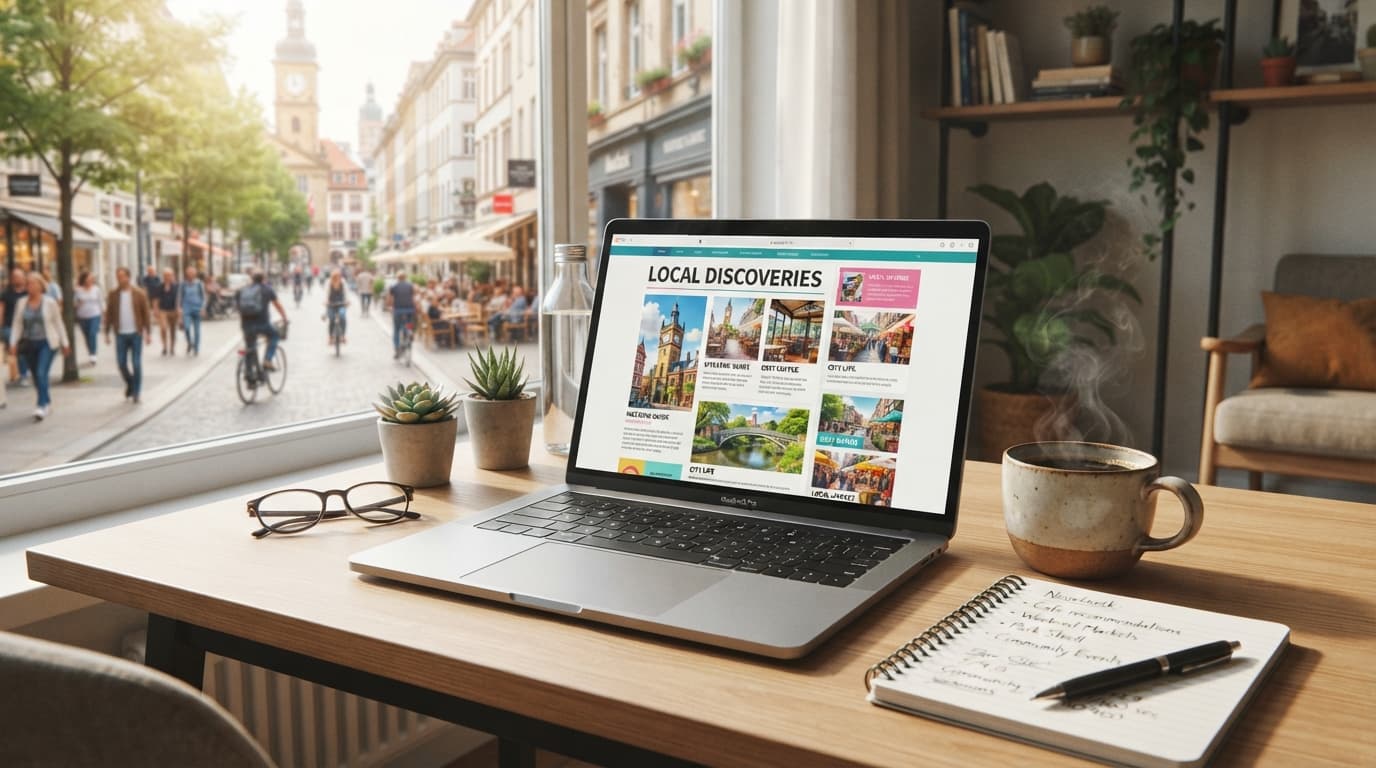
There is a romanticized vision of starting a city guide newsletter that goes something like this: You spend a few pleasant hours on a Tuesday afternoon sipping espresso at a chic local cafe, compiling a list of the weekend’s coolest art gallery openings and farmer's markets. You press "send," and instantly, thousands of local residents open your email, thank you for being the pulse of the community, and local business owners clamor to write you sponsorship checks.
It is a beautiful dream. But if you talk to anyone who has actually built a successful hyper-local publication, they will tell you that the reality of the first 90 days is vastly different. It is a mix of technical headaches, the psychological hurdle of writing to an empty room, and the sudden realization that "curation" is actually a full-time investigative job.
If you are thinking about launching a newsletter to unite, inform, and celebrate your city, you should absolutely do it. Local media is undergoing a massive renaissance, and communities are starving for curated, human-centric information. However, going in eyes-wide-open will be the difference between quitting on day 45 and celebrating your first profitable year. Here is what nobody tells you about the first 90 days of running a city guide newsletter.
Phase 1: Days 1 to 30 – The Curation Paradox and the Ghost Town
The first month of your newsletter is characterized by high adrenaline and low numbers. You will likely launch to a list composed entirely of your friends, family, and a few supportive local acquaintances. This is your warm audience, and while their support is comforting, it can also create a false sense of security.
The Curation Paradox
You might think that finding things to do and write about in your city will be the easy part. In reality, you will quickly run into the Curation Paradox: there is simultaneously too much happening and not enough worth writing about. To build a newsletter that people actually open, you cannot simply copy and paste the local chamber of commerce calendar. Anyone can do that. Your value lies in your editorial filter. You have to spend hours digging through obscure Facebook event pages, Instagram stories of local dive bars, and community Reddit threads to find the true gems. In the first 30 days, you will spend roughly 80% of your time sourcing information and only 20% writing. Managing this ratio without burning out is your first major test.
The "Nobody is Listening" Phase
In month one, your subscriber count will move at a glacial pace. You will spend six hours crafting a beautiful, witty guide to the city’s best hidden patios, send it out, and watch your metrics dashboard show that only 42 people opened it.
This is where most newsletter creators quit. The psychological toll of putting creative energy into a project with minimal immediate feedback is high. During this phase, you must shift your mindset from *scale* to *depth*. Treat those 42 readers like they are 42,000. If they love what you do, they will become your first evangelists. Answer every reply personally. Ask them what they want to see. This early, unscalable engagement is the foundation of your future growth.
Phase 2: Days 31 to 60 – Technical Realities and the Growth Grind
By month two, the initial novelty has worn off. You have established a basic rhythm, and now you have to face the hard plumbing of the newsletter business: deliverability, templates, and active growth hacking.
The Technical Underbelly
You do not need to be a software engineer to run a newsletter, but by day 45, you will need to understand how the internet delivers mail. You will suddenly find yourself researching SPF, DKIM, and DMARC records to ensure your emails actually land in the primary inbox rather than the dreaded promotions or spam folders.
You will also realize that your initial template, which looked beautiful on your 27-inch desktop monitor, looks like a cluttered mess on an iPhone 13. Month two is about streamlining. Keep your design incredibly simple. Text-heavy, fast-loading, clean newsletters almost always perform better and maintain higher deliverability rates than image-heavy, over-designed layouts.
Stepping Outside the Warm Circle
To grow past your friends and family, you must actively market your newsletter. This is the "grind" phase. You cannot rely on organic search engine optimization (SEO) to build an email list quickly in the beginning. Instead, you must go where your local audience already hangs out online and offline:
- Local Subreddits and Facebook Groups: Do not spam your link. Instead, participate in discussions. When someone asks, "What's happening in town this weekend?" provide a comprehensive, helpful list and mention, "I compile a list like this every Thursday in my newsletter if you're interested."
- Cross-Promotion with Local Micro-Influencers: Reach out to local foodies, historians, or lifestyle bloggers. Offer to share their content in your newsletter in exchange for a shout-out on their social channels.
- Physical Flyering: Never underestimate the power of a QR code on a coffee shop bulletin board or at a local farmer's market booth. If your newsletter is truly local, your marketing should be too.
Phase 3: Days 61 to 90 – Systemization and the Monetization Myth
As you enter your third month, you will hit a wall if you are still treating your newsletter like a hobby. To survive past day 90, you must transition from a "writer who curates" to a "publisher who runs a system."
Building a Repeatable Workflow
By day 60, writing your newsletter should not feel like an emergency every week. You need a system. Successful city guide publishers use a structured workflow that looks something like this:
- Monday & Tuesday (Passive Gathering): Use RSS feeds, Google Alerts, and a dedicated email inbox where local PR pitches and event submissions go. Drop every interesting link into a centralized database (like Notion or Airtable).
- Wednesday (Active Curation & Drafting): Filter the database down to the absolute best recommendations. Write the copy, format the links, and pull high-quality imagery.
- Thursday (Testing & Scheduling): Send test emails to yourself. Check every single link on both mobile and desktop. Schedule the send for early morning.
- Friday (Community & Socials): Monitor your open and click rates. Engage with readers who reply. Repurpose the newsletter content into bite-sized social media posts for the upcoming weekend.
The Truth About Early Sponsors
One of the biggest lies in the creator economy is that you can monetize your newsletter from day one. In your first 90 days, your primary goal is not to make money; it is to build trust and habit.
Local businesses are notoriously protective of their marketing budgets. They do not want to buy impressions; they want to buy results. If you approach a local bakery with 300 subscribers, they will likely say no. However, if you have 800 highly engaged, local subscribers with a 65% open rate, you have a compelling pitch. Instead of selling traditional banner ads early on, focus on "partnered content" or directory listings. Better yet, use your first 90 days to run "free" ads for local businesses you love. This builds goodwill, proves your conversion power, and gives you case studies to show paying advertisers in month four and beyond.
The FluxLocal Advantage
If the technical hurdles, promotion grind, and curation management of starting a local newsletter sound daunting, you don't have to build your digital presence in a silo. This is where leveraging a platform built specifically for local ecosystems makes all the difference.
By integrating your efforts with FluxLocal, you gain access to a platform designed to bridge the gap between local content creators, residents, and independent businesses. Rather than struggling to find your first 100 subscribers through cold outreach, FluxLocal helps plug your city guide directly into an active, geographically targeted community hub.
With FluxLocal, your curated weekend guides, business spotlights, and neighborhood news stories don't just sit in an inbox hoping to be opened—they become dynamic, searchable assets that live where your community is already looking for information. This local-first ecosystem simplifies your distribution, amplifies your reach from day one, and provides you with the built-in local credibility that usually takes months of manual networking to establish.
Survival Metrics: What Actually Matters?
To keep your sanity during the first 90 days, you must measure the right things. Stop obsessing over your total subscriber count. A list of 5,000 cold leads who never open your emails is worthless. Instead, focus on these three health metrics:
- Open Rate: For a local newsletter, you should aim for an open rate of 45% or higher. If it drops below 40%, your subject lines are weak, your deliverability is slipping, or your content is losing its hyper-local relevance.
- Click-Through Rate (CTR): Are people actually clicking the links to the events, restaurants, and news you recommend? A CTR of 8% to 12% indicates high engagement and active intent. This is the metric that will eventually sell sponsorships.
- Reply Rate: This is the ultimate qualitative metric. If readers are replying to your emails to say "Thanks for this!" or "You missed this great event on Saturday!", you have successfully crossed the chasm from a passive broadcast to an active community conversation.
Ready to Own Your Local Beat?
The first 90 days of launching a city guide newsletter are undoubtedly a masterclass in resilience, digital marketing, and editorial discipline. You will work harder than you expect for less immediate reward than you hope. But if you push through the quiet phase, build a reliable system, and focus intensely on serving your community, you will build an incredibly valuable, highly defensible media asset.
You don't have to navigate this journey alone. Whether you are looking to launch, scale, or monetize your local guide, FluxLocal provides the tools, community connections, and local visibility you need to turn your passion project into your neighborhood's favorite digital publication. Stop overthinking the perfect launch and start building your local community platform today.
---CONTENT_END---