Inside the Growth of a Hyper-Local Real Estate Newsletter: Lessons from 15,000 Subscribers
Discover the exact playbook used to scale a hyper-local real estate newsletter to 15,000 engaged subscribers, and how to apply these lessons to your local market.
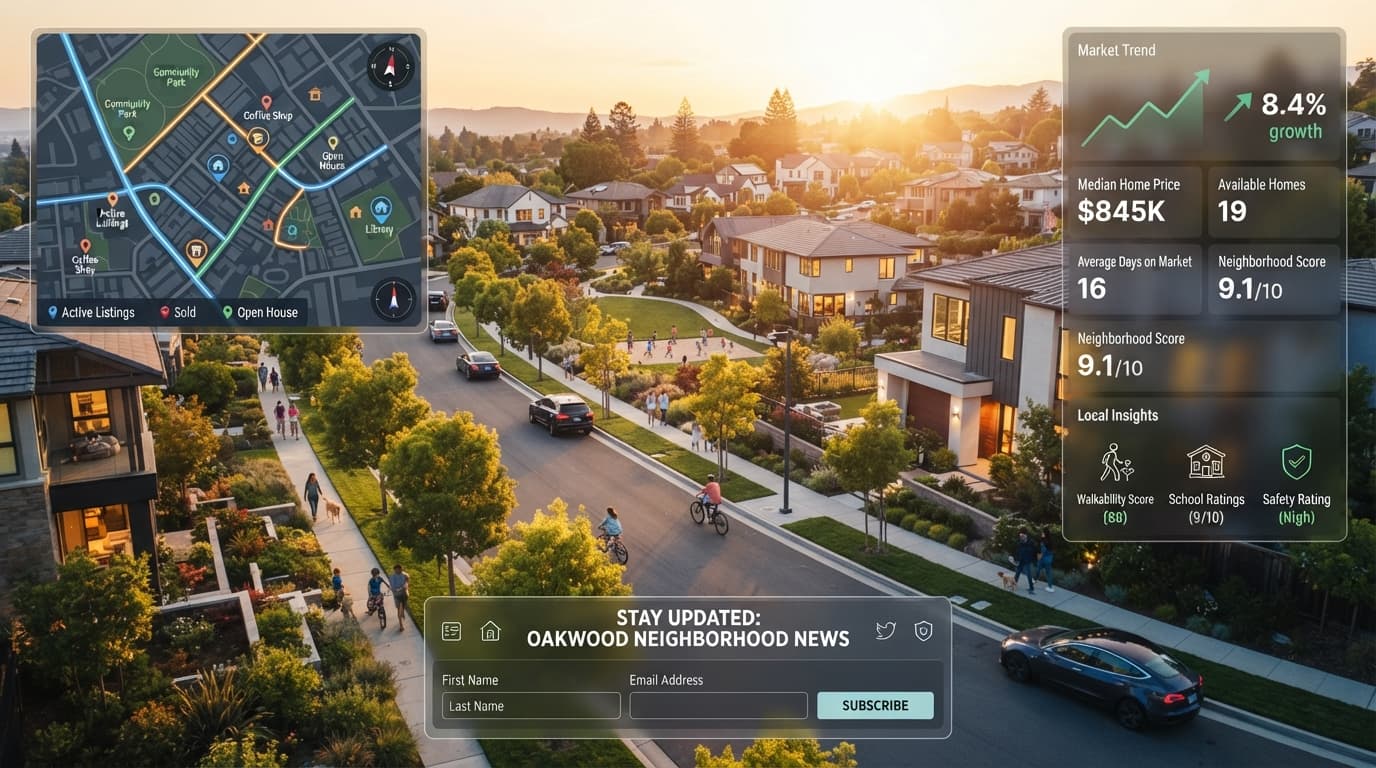
Every Thursday morning at 6:00 AM, precisely 15,000 residents in a mid-sized metropolitan suburb open their inboxes to find the exact same email. It does not contain glossy, generic corporate market reports, nor does it spam them with "Just Listed!" flyers for houses three towns away. Instead, it tells them why the long-vacant corner lot on Main Street was just rezoned, which cozy coffee shop is opening near the train station, how local school redistricting impacts home values, and what three houses sold for above asking price this week.
This is the story of a hyper-local real estate publication that grew from an ambitious idea and zero readers into a community staple with 15,000 deeply engaged subscribers. Achieving a consistent 48% open rate and a 12% click-through rate, this simple weekly newsletter transformed from an experimental marketing channel into an essential neighborhood asset—and an incredible revenue driver for local real estate professionals.
Whether you are a real estate agent trying to dominate your geographic farm, a local media entrepreneur, or a community builder, scaling a hyper-local newsletter requires a specific blueprint. Here is an inside look at the journey, the failures, the breakthroughs, and the core strategies learned from reaching the 15,000-subscriber milestone.
Phase 1: The Zero-to-1,000 Subscriber Scramble
Launching a hyper-local publication comes with a unique paradox: your potential audience is incredibly targeted, but finding them individually requires intense initial effort. Broad digital ad strategies often fail at this stage because social media targeting algorithms are rarely granular enough to pin down a single neighborhood or small group of ZIP codes effectively without wasted ad spend.
Finding the Initial Spark
The first 1,000 subscribers were secured through manual outreach, localized community involvement, and zero-budget growth hacks. Rather than pitching the newsletter as a real estate brochure, the publication was framed strictly as a neighborhood news digest.
- Leveraging Local Online Communities: Instead of dropping link spam into local Facebook Groups and Nextdoor feeds, the editor provided value first. Detailed summaries of municipal planning meetings were posted directly to the groups, ending with a soft call-to-action: "We cover local zoning updates every Thursday morning. Join 200 of your neighbors by subscribing here."
- Physical QR Code Placement: High-traffic local businesses—coffee shops, boutique bakeries, and community centers—were approached with custom table tents. Offering to feature these local spots in the newsletter created a natural win-win relationship.
- Direct Network Activation: Past clients, neighbors, and personal contacts living in the target area received personalized, non-automated emails explaining the project and asking for a trial subscription.
The biggest takeaway from this early phase? People do not want to subscribe to a real estate agent’s sales pitch, but they are desperate for local news that directly affects their daily life and financial net worth.
Phase 2: Scaling from 1,000 to 5,000 (The Content Formula)
Crossing the 1,000-subscriber mark signaled product-market fit. The next challenge was engineering a repeatable content system that maintained extreme local relevance without burning out the content creator.
The 80/20 Content Engine
To retain subscribers and keep open rates high, the editorial structure settled on an 80/20 rule: 80% neighborhood lifestyle, infrastructure, and business updates; 20% direct real estate data and property insights.
A standard edition was crafted around four tight sections:
- The Big Local Story: A 200-word breakdown of local news (e.g., park renovations, school board votes, commercial developments).
- Market Snapshot: A human-readable breakdown of the weekly real estate activity—highlighting the median sales price, average days on market, and notable sales, translated into plain English rather than real estate jargon.
- Featured Property of the Week: Not necessarily the most expensive listing, but the one with unique architecture, historical interest, or an exceptional backyard.
- Weekend Local Events: A curated list of 3-5 authentic community events, encouraging readers to hold onto the email through the weekend.
Optimizing for Word-of-Mouth
Hyper-local publications possess a secret growth superpower: proximity. Neighbors talk to neighbors. When content focuses on hyper-specific subjects—like a popular local intersection's new traffic light—readers forward the email to their friends. By placing simple "Forwarded this email by a neighbor? Subscribe here!" links at the top and bottom of every issue, organic referral growth accounted for nearly 25% of new subscriber sign-ups during this stage.
Phase 3: Crossing 10,000 to 15,000 (Paid Growth and Systemization)
Scaling past 5,000 subscribers required turning off pure manual labor and turning on scalable, predictable growth engines. To maintain momentum, paid customer acquisition strategies were introduced alongside automated retention funnels.
Hyper-Targeted Social Advertising
Instead of running generic "Look at these homes for sale" ads, Facebook and Instagram ads were designed around local micro-news. An ad reading, "Curious what’s being built behind the Target on Route 4? We investigated so you don't have to," generated subscriber acquisition costs as low as $1.20 per subscriber.
Referral Programs with Local Rewards
A structured referral program was implemented using a milestone tier system. Readers were rewarded for sharing the newsletter with friends and family:
- 3 Referrals: An exclusive hyper-local digital guide ("The Top Hidden Coffee Spots in Town").
- 10 Referrals: A custom tote bag featuring the neighborhood's historic skyline logo.
- 25 Referrals: A $25 gift card to a featured local coffee shop.
This incentivized existing readers to act as brand ambassadors, driving thousands of hyper-relevant local leads with built-in trust.
Monetization and Real Estate ROI
While reaching 15,000 subscribers is an impressive vanity metric, the primary goal was driving tangible business results. A hyper-local real estate newsletter monietizes through two primary avenues: direct media revenue and high-value real estate transactions.
1. Local Business Sponsorships
Local businesses struggle with digital advertising. Big tech ad platforms are often too broad and too complex for a local dentist, personal injury lawyer, or high-end kitchen remodeler. Offering a dedicated sponsorship banner to an audience of 15,000 verified local residents quickly created a predictable secondary revenue stream, selling out sponsor slots months in advance.
2. High-Yield Real Estate Listings and Buyer Leads
Because the publisher was established as the ultimate local authority, community members turned to them whenever they were ready to buy, sell, or invest. The real estate conversion numbers speak for themselves:
- Organic Seller Inquiries: An average of 2-3 organic listing consultations every month coming directly from newsletter subscribers who said, "We’ve been reading your email for two years and knew you were the expert."
- Off-Market Matches: By occasionally highlighting home-buyer needs in the newsletter, off-market deals were matched seamlessly, saving clients commission fees and winning competitive deals.
- Brand Authority: Cold listing presentations became warm conversations because prospective clients were already familiar with the newsletter's brand and depth of market knowledge.
Key Strategic Lessons Learned at 15,000 Subscribers
Building a massive audience within a tight geographic area provided several non-obvious lessons that apply to any local business strategy:
Consistency Trumps Length
Early editions were often too long, attempting to be full-fledged digital magazines. Over time, metrics proved that readers preferred short, punchy updates they could consume in under three minutes while drinking their morning coffee. Consistency in delivery time (every Thursday at 6:00 AM) proved far more important than publishing a 3,000-word essay once a month.
Hyper-Local Means HYPER-Local
General county-level news performs poorly. Community-level, street-level, and neighborhood-level news performs exceptionally well. Readers care far more about the park down the block, their specific elementary school zone, and the restaurant opening two miles away than they do about broader regional economic trends.
Ownership of Platform is Everything
Relying on third-party social media channels puts your reach at the mercy of sudden algorithm shifts. Building a direct email relationship ensures you own your audience data completely, insulating your platform and business from policy changes elsewhere.
The FluxLocal Advantage
Building a successful hyper-local publishing channel from scratch used to require juggling half a dozen different software tools—an email provider, a landing page builder, local data scrapers, analytics trackers, and ad management platforms. Modern creators need a streamlined, purpose-built hub that simplifies the administrative load so they can focus on delivering great local content.
This is where FluxLocal transforms the workflow for local real estate marketers and publishers. Designed intentionally for neighborhood-focused platforms, FluxLocal provides real estate agents, community organizers, and regional creators with the exact infrastructure required to curate content, organize property insights, engage subscribers, and monetize local audiences efficiently.
By leveraging the specialized distribution, formatting, and community-building tools built into FluxLocal, publishers eliminate tech friction and scale faster. Whether you are aiming for your first 100 readers or optimizing a publication of 15,000, having an integrated platform keeps your local presence modern, professional, and profitable.
Conclusion: Building Your Own Local Media Asset
Reaching 15,000 hyper-local subscribers is not about possessing a huge marketing budget; it is about committing to absolute local relevance. In an era dominated by automated AI content and detached national news outlets, people crave authentic connection to the places where they live, work, raise families, and invest their money.
By positioning your real estate brand as the trusted curator of community news, you cease being just another real estate professional chasing leads—you become an indispensable local institution. The business growth follows naturally as a direct result of the trust you cultivate weekly.
Are you ready to build, launch, and monetize your own hyper-local property newsletter? Discover how FluxLocal gives you the ultimate framework to capture your local market, grow your audience, and turn readers into lifelong real estate clients today.
---CONTENT_END---