From Zero to Launch: The Ultimate Beginner's Guide to Starting a Neighborhood Newsletter
Learn how to launch a successful neighborhood newsletter from scratch. From planning content to choosing the right platform, here is your step-by-step guide to building a connected community.
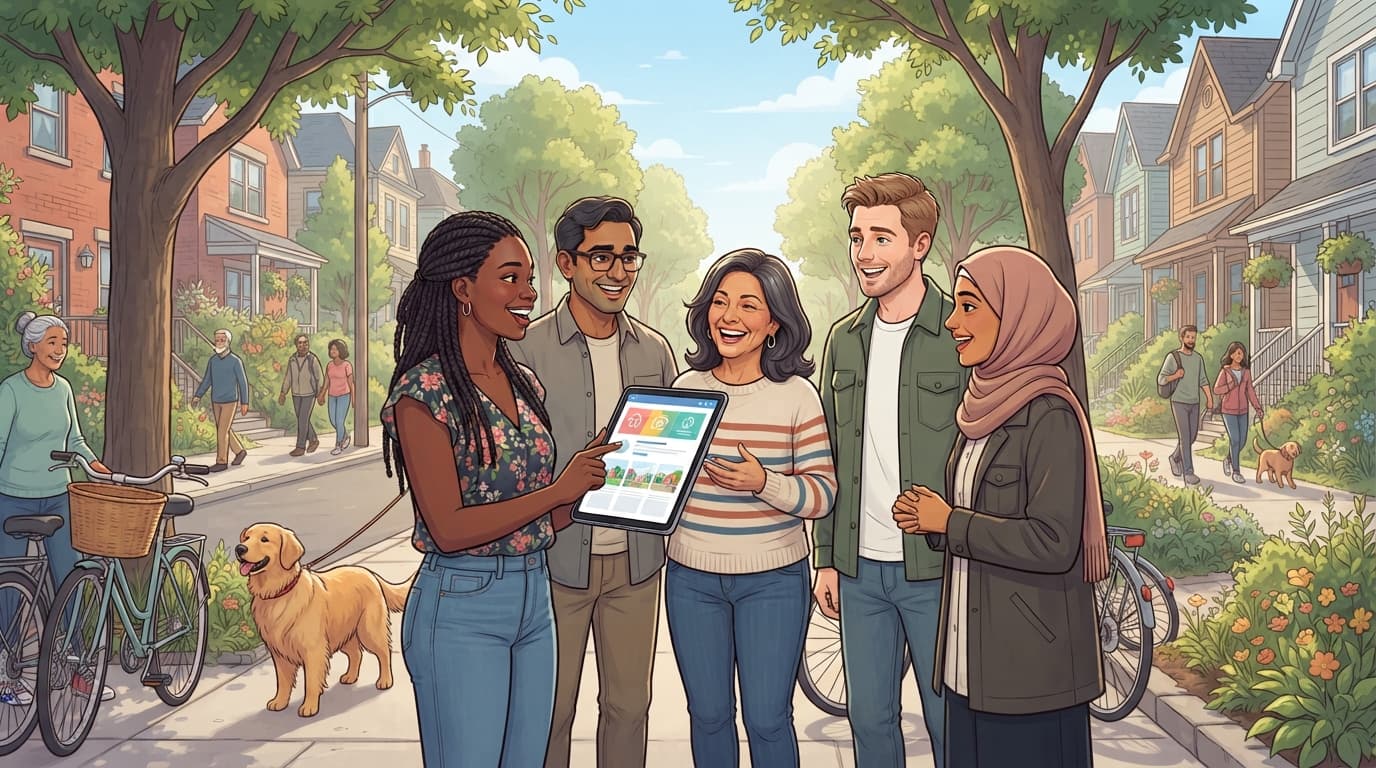
Remember the days when neighbors chatted over the backyard fence, shared recommendations for the best local plumber, and instantly knew when a new family moved in down the street? In our fast-paced, digital-first world, that cozy sense of immediate connection can sometimes feel like a relic of the past. While global social media networks keep us updated on world events and long-distance friends, they often leave us surprisingly disconnected from the people living right next door.
This is where a neighborhood newsletter comes in. A localized newsletter acts as a digital campfire, bringing people together to share stories, exchange resources, celebrate local achievements, and build a safer, friendlier place to live. Whether you want to coordinate block parties, spotlight local businesses, or simply keep everyone informed about municipal changes, starting a newsletter is one of the most impactful civic projects you can undertake.
If you have ever wanted to bridge the communication gap in your area but didn't know where to start, you are in the right place. This comprehensive, step-by-step guide will take you from absolute zero to a successful, highly anticipated launch of your own neighborhood newsletter.
Why Start a Neighborhood Newsletter?
Before diving into the logistics of email lists and layout design, it is essential to understand the immense value a hyper-local publication brings to your community. A newsletter is more than just a list of announcements; it is a catalyst for real-world connection.
- Fostering Social Cohesion: When neighbors read about each other’s lives, achievements, and challenges, empathy grows. A newsletter highlights the human stories behind the front doors, transforming a street of strangers into a tight-knit community.
- Supporting the Local Economy: Small businesses are the backbone of any neighborhood. Your newsletter can feature local cafes, handymen, artists, and boutique shops, driving traffic directly to their doors and keeping wealth within the community.
- Enhancing Neighborhood Safety and Awareness: From reporting recent porch pirate activity to organizing neighborhood watch meetings, a reliable channel of communication keeps everyone alert, prepared, and safe.
- Encouraging Civic Participation: Local government decisions, school board elections, and environmental initiatives directly impact your daily life. A newsletter translates complex municipal updates into actionable information for busy residents.
Step 1: Define Your Scope, Audience, and Tone
To build a publication that people actually look forward to reading, you must first define your boundaries. If your scope is too broad, you lose the "hyper-local" charm; if it is too narrow, you may run out of content quickly.
Establish Geographic Boundaries
Who exactly is this newsletter for? Define your target footprint. It could be a single condominium complex, a specific historic district, a suburban subdivision of 500 homes, or a broader municipal ward. Clearly defining your boundaries helps you decide what news is relevant and keeps your content highly focused.
Develop an Editorial Persona
How do you want your newsletter to sound? The tone should reflect the personality of your neighborhood. If your area is a bustling, artsy urban enclave, a trendy, conversational, and energetic tone works best. If you are writing for an established, quiet suburban retirement community, a more formal, respectful, and highly legible layout is ideal. Aim to be welcoming, objective, and inherently positive.
Step 2: Map Out Your Content Strategy
The number one reason newsletters fizzle out after two or three issues is content fatigue. To prevent this, create a content calendar and outline recurring features that readers can look forward to. Diversity of content keeps the newsletter engaging for different demographics within your neighborhood.
Popular Content Categories to Include
- The Welcome Wagon: Introduce new residents who have recently moved into the neighborhood. Ask them three quick, fun questions about themselves.
- Local Event Calendars: Highlight upcoming block parties, library book sales, farmers' markets, school plays, and trash collection schedule changes.
- Resident Spotlights: Interview an interesting neighbor—the retired teacher who gardens meticulously, the teenager who started a lawn care business, or the local artist.
- Lost and Found / Classifieds: Provide a dedicated space for lost pets, items for sale, or teenagers offering babysitting and dog-walking services.
- History and Trivia: Share historical tidbits about your neighborhood’s past, historical landmarks, or how streets got their names.
Structuring Your Newsletter for Scannability
Most readers will scan your newsletter on their mobile devices during a morning coffee break. Keep paragraphs short (2-3 sentences), use descriptive subheadings, and utilize bullet points. Avoid massive blocks of text that feel like a chore to read.
Step 3: Choose the Right Technology Stack
You do not need to be a software engineer to launch a professional newsletter. There are plenty of user-friendly platforms available today, ranging from traditional email marketing services to modern, interactive community platforms.
Traditional Email Marketing Services
Platforms like Mailchimp, Substack, or MailerLite are great for sending traditional emails. They offer drag-and-drop editors, basic subscription forms, and analytics to track open rates. However, they are often one-directional, meaning you are lecturing to an audience rather than fostering a multi-way community conversation.
The Challenge of Traditional Email
While email is effective, it requires you to manually manage subscriber lists, worry about spam filters, and design layouts from scratch. Furthermore, traditional email newsletters lack interactive features like real-time community boards, event RSVPs, or searchable business directories—elements that truly bring a community online.
Step 4: The FluxLocal Advantage
If you want to bypass the steep learning curve of traditional email platforms and build an interactive community hub rather than just a static email, FluxLocal is the ultimate solution designed specifically for hyper-local connectivity.
Unlike standard email marketing tools, FluxLocal combines the reach of a professional newsletter with the interactive engagement of a modern local community platform. It acts as a dedicated space where neighbors can log in, view structured local directories, interact with event calendars, and easily contribute content without cluttering your editorial workflow.
Why Neighbors and Organizers Love FluxLocal
- Unified Local Directory: Easily list and categorize local businesses, freelancers, and service providers, making it simple for neighbors to support local initiatives.
- Interactive Events: Instead of just listing events in text format, you can publish interactive calendars where residents can RSVP, ask questions, and share updates.
- Simplified Publishing: Say goodbye to complex coding and formatting headaches. The platform's streamlined, intuitive interface allows you to assemble professional, beautiful updates in minutes.
- Enhanced Privacy and Safety: Unlike public social networks that sell user data, FluxLocal prioritizes neighbor-to-neighbor privacy, creating a safe, trusted digital environment.
Step 5: Grow Your Subscriber Base (From Zero to 100+)
An amazing newsletter is only useful if people are reading it. Building your initial subscriber list requires a mix of digital outreach and good old-fashioned, face-to-face neighborhood marketing.
Leverage Grassroots Offline Marketing
Do not underestimate the power of physical presence. Print out flyers with a scannable QR code linking directly to your subscription page. Spend a Saturday morning walking your designated boundaries, slipping flyers under doormats, or chatting with neighbors working in their yards. You can also ask permission to post flyers on community bulletin boards at local coffee shops, libraries, and parks.
Utilize Existing Online Channels
If your neighborhood already has a loosely organized Facebook group, a Nextdoor page, or a WhatsApp group chat, post a friendly invitation. Explain exactly what your newsletter will cover and how it differs from the noisy, often chaotic nature of typical social media feeds. Emphasize that this is a curated, spam-free, positive resource for the community.
Host a Launch Giveaway
Partner with a beloved local business to offer an incentive. For example, you could partner with the neighborhood bakery to raffle off a $50 gift card. Everyone who subscribes to the newsletter before the launch date is automatically entered to win. This supports a local business, builds excitement, and drives early subscriber numbers.
Step 6: Plan, Test, and Launch Your First Issue
When you are ready to send your first issue, follow a meticulous quality assurance checklist to ensure a professional delivery that builds instant credibility.
The Launch Checklist
- Send a Test Copy to Yourself: Always send a test email to your own inbox. Open it on both a desktop computer and a mobile phone to ensure all images load properly and the text is easy to read.
- Verify Your Links: Click every single link in your newsletter. There is nothing more frustrating for a reader than clicking a link to RSVP for a block party only to land on a "404 Error" page.
- Establish a Consistent Schedule: Consistency breeds anticipation. Whether you choose to publish weekly, bi-weekly, or monthly, stick to your schedule. If you decide to publish on the first Saturday morning of every month, make sure your readers can set their clocks by it.
Overcoming Common Challenges
As you run your newsletter, you will inevitably run into a few hurdles. Knowing how to handle them in advance will keep your publication thriving for years to come.
Dealing with Content Scarcity
Some months, it might feel like absolutely nothing is happening in your neighborhood. To combat this, keep a running document of evergreen content ideas. This can include historical retrospectives of your town, home improvement tips tailored to the specific style of houses in your neighborhood, or interviews with long-time residents.
Managing Feedback constructively
When you invite community feedback, you will occasionally receive complaints or conflicting opinions. Keep your newsletter neutral. If a controversial local issue arises (such as a contentious zoning change), present both sides objectively without taking a personal stance. Your role is to inform, not to polarize.
Conclusion: Empower Your Community Today
Starting a neighborhood newsletter is one of the most rewarding passion projects you can pursue. It breaks down walls, fosters meaningful real-world interactions, and creates a shared identity for the place you call home. By starting small, planning your content diligently, and choosing a supportive platform, you can transform your street into a truly connected, vibrant village.
Are you ready to bring your neighborhood closer together? Don't let tech hurdles hold you back. Sign up for a free account at FluxLocal today and start building the ultimate digital hub for your local community!
---CONTENT_END---