How to Start a Local Newsletter From Scratch
Learn how to build a thriving local newsletter for your community. From choosing a platform to finding events, we cover everything you need to know.
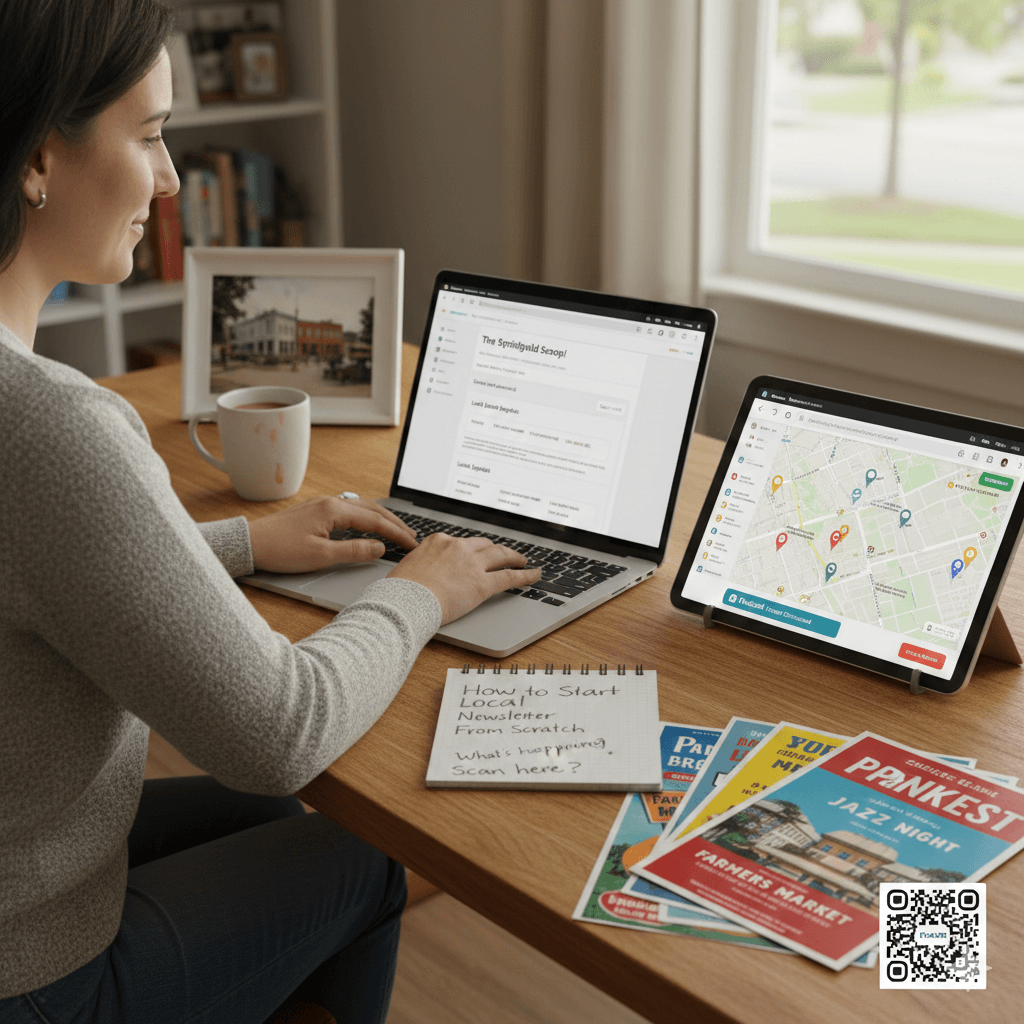
How to Start a Local Newsletter From Scratch
Starting a local newsletter is one of the most rewarding things you can do for your community. But let’s be honest: it’s also a lot of work. I’ve been in the trenches of community building for years, and I’ve seen people start with a burst of energy only to fizzle out three weeks later because they underestimated the "grind" of finding content.
If you’re reading this, you probably have that itch. You want to be the "source of truth" for your town. You want people to open their emails on Friday morning and say, "Oh, I didn’t know that was happening this weekend!"
In this guide, I’m going to show you exactly how to build a local newsletter from absolute zero. No fluff, no "corporate speak"—just the real-world steps I’ve used to build audiences that actually care.
Why a Local Newsletter? (And Why Now?)
Social media is broken. We all know it. Facebook groups are full of spam and arguments about leaf blowers. Instagram is an algorithm lottery. But the inbox? The inbox is personal.
When someone gives you their email address, they’re giving you permission to talk to them. In a world where we feel increasingly disconnected from our neighbors, a local newsletter acts as the digital "town square." It’s where people find out about the high school pancake breakfast, the new jazz bar downtown, and the road closures they actually need to know about.
Step 1: Find Your "Hook"
Don't just be "The Springfield News." That’s boring. You need a hook.
What is the one thing people in your town are missing?
- Is it a curated list of "kid-friendly" weekend activities?
- Is it the "hidden gems" of the local food scene?
- Is it a "no-nonsense" recap of city council meetings?
My advice? Start with Events. People always want to know what to do. If you can save them thirty minutes of Googling, they will love you forever.
Step 2: Choose Your Tech Stack (Keep it Simple!)
I’ve seen people spend weeks trying to build a custom website before they’ve even sent a single email. Stop.
Start simple. You need three things:
- An ESP (Email Service Provider): Substack, Beehiiv, or MailerLite are great for beginners. They handle the "tech" so you can focus on the writing.
- A Landing Page: Just a simple place where people can enter their email.
- A Discovery Engine: This is the secret sauce. You need a way to find what’s happening without spending 10 hours a week on Google. This is where FluxLocal becomes your best friend. Instead of scouring twenty different Facebook pages and community boards, you need a system that aggregates that data for you.
Step 3: The Content "Sprinting" Phase
Your first five issues will be the hardest. You don’t have an audience yet, and you’re still finding your voice.
Here is a standard template that works for almost every local newsletter:
- The Lead-In: A 100-word personal note about something happening in town (the weather, a new mural, etc.).
- The "Big 3" Events: Three curated things people must do this weekend.
- The "Quick Hits": A bulleted list of other smaller events.
- Local Spotlight: Mention one local business or nonprofit.
- The Ask: Ask people to reply with their own news.
Step 4: The Content Discovery Nightmare (And the Fix)
Let’s talk about the biggest reason local newsletters fail: Burnout.
Finding local events is a nightmare. You have to check Eventbrite, AllEvents, the local library site, the "Downtown Association" calendar, and that one weird blog that hasn't been updated since 2012.
When I was starting out, I spent my entire Tuesday nights just cutting and pasting event descriptions. It’s soul-crushing work.
If you want to survive past month three, you need to automate the discovery. Tools like FluxLocal are built specifically for this. They crawl the web, find the events, and give them to you in a format you can actually use. It turns a 6-hour job into a 15-minute review. If you're serious about this being a long-term project and not just a hobby that dies in a month, get your systems in place early.
Step 5: Growing Your First 100 Subscribers
Your first 100 subscribers won't come from "SEO" or "Virality." They come from you being annoying (nicely).
- The "Friends and Family" Blast: Send a personal email to everyone you know in town.
- Local Facebook Groups: Post in the "Community" groups, but don't just spam. Say, "Hey, I noticed there wasn't a single place to find all the weekend events, so I'm making one. Here's a link if you want it."
- QR Codes at Coffee Shops: This is old school but it works. A little sign that says "What's happening this weekend? Scan here."
Step 6: Consistency Over Quality (At First)
That sounds like bad advice, but hear me out. A "perfect" newsletter that goes out once every three months is useless. A "good" newsletter that arrives Every. Single. Friday. at 8:00 AM is a habit.
Your audience needs to rely on you. If you say you’re a weekly newsletter, be a weekly newsletter. If you're struggling to find enough content to fill a week, use a tool to help you "scout" more events, or shorten the newsletter. But never miss a deadline.
Summary: Just Start
Most people talk about starting a newsletter. Very few actually hit "Send."
The barriers to entry have never been lower. You don't need a journalism degree. You don't need to be a tech wizard. You just need to care about your town and have a system that keeps you from burning out on the "data entry" side of things.
Grab a domain, set up a simple landing page, and start scouting. Your community is waiting for a voice that cuts through the noise. Go be that voice.
Ready to spend less time clicking and more time writing? Check out FluxLocal to automate your event discovery process.