How to Launch a Regional Food & Drink Newsletter: A Complete Blueprint
Discover the ultimate step-by-step blueprint to launching, growing, and monetizing a regional food and drink newsletter in your community.
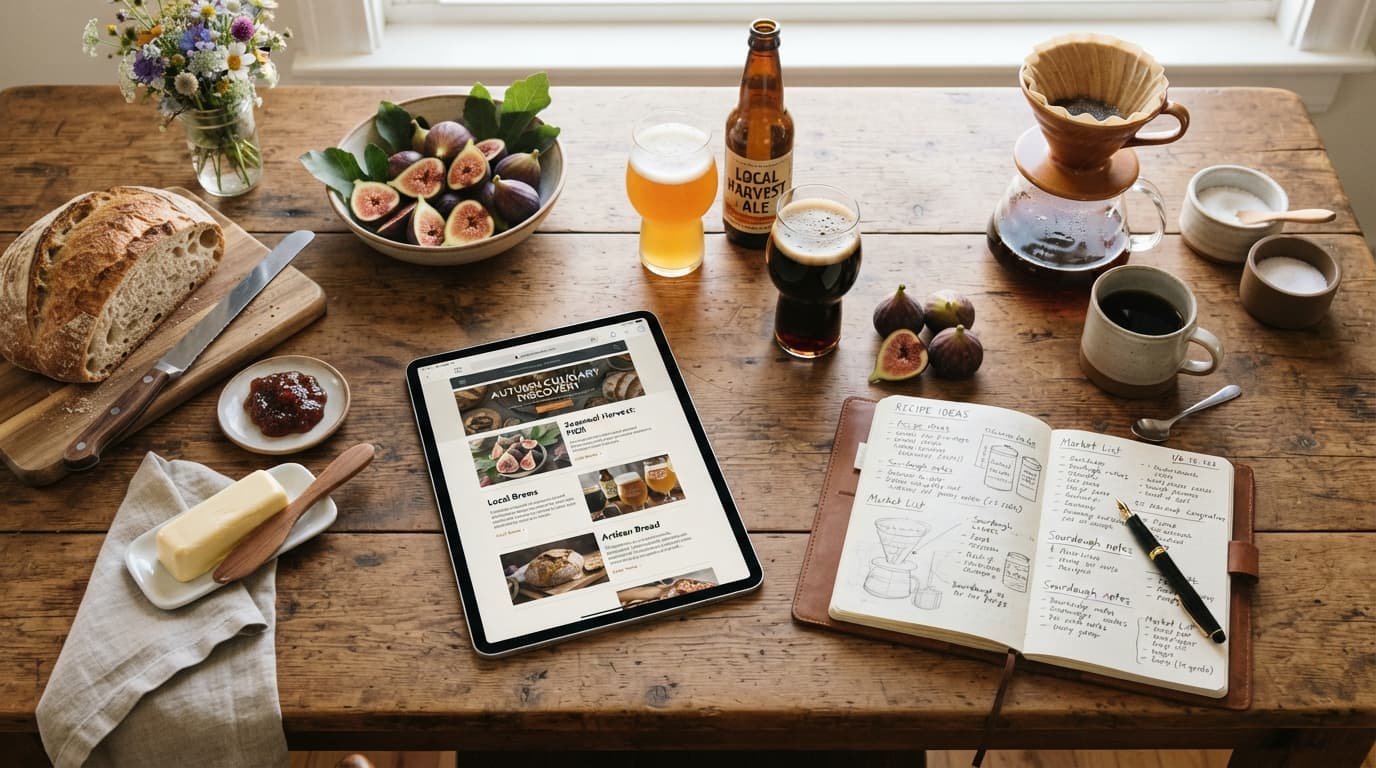
There is something deeply intimate about how we decide what to eat and drink. We do not just look for sustenance; we look for connection, story, and experience. In an era where search engines are increasingly cluttered with SEO-optimized national directory sites and generic review platforms, consumers are starving for curated, authentic, and hyper-local recommendations. They want to know which back-alley ramen shop serves the most authentic broth, which farm-to-table bistro just updated its seasonal menu, and which local roastery is sourcing ethical beans from Central America.
This shifting landscape has created a golden age for independent regional publishing. Specifically, a hyper-focused regional food and drink newsletter is one of the most profitable, highly engaging, and satisfying media businesses you can start today. Unlike traditional glossy magazines with massive overhead or social media accounts subject to the whims of volatile algorithms, an email newsletter gives you direct, unimpeded access to your audience’s most personal digital space: their inbox.
Whether you are a food writer, a local culinary enthusiast, or a digital publisher looking to expand your portfolio, this comprehensive blueprint will guide you through the process of launching, growing, and monetizing your own regional food and drink newsletter from scratch.
Phase 1: Defining Your Editorial Niche and Core Hook
Before you write a single word or design a logo, you must define your editorial lane. "Local food" is a category, not a niche. To stand out in a crowded digital landscape, you need a distinct voice and a clear value proposition. Ask yourself: what perspective is currently missing in your local media ecosystem?
Finding Your Focus
Consider these different editorial angles to differentiate your publication:
- The Budget Explorer: Focus entirely on cheap eats, hidden food trucks, happy hour deals, and secret menu items.
- The Fine Dining Curator: Target affluent foodies with high-end reviews, chef profiles, exclusive tasting menus, and wine pairings.
- The Weekly Planner: A highly utility-focused format that answers one simple question: "Where should we eat this weekend?" using curated lists, events, and new openings.
- The Culinary Storyteller: Deep-dive narratives highlighting the history behind local dishes, farmer profiles, and the cultural heritage of the chefs in your community.
Crafting Your Editorial Calendar
Consistency is the lifeblood of any successful newsletter. You should establish a sustainable cadence early on. For most regional publishers, a weekly or bi-weekly frequency is the sweet spot. A typical weekly rhythm might look like this:
- Tuesday: "The Amuse-Bouche" — Quick news bites, upcoming restaurant openings, and weekend event announcements.
- Friday: "The Main Course" — A deep-dive review, a curated guide (e.g., "The 10 Best Patios in [City]"), or a Q&A with a local bartender.
Phase 2: Choosing Your Tech Stack
You do not need to be a software engineer to build a high-performing digital media business. Today’s creator economy tools are incredibly powerful and user-friendly. Your tech stack should be lean, cost-effective, and highly scalable.
Newsletter Platforms (ESPs)
Your Email Service Provider (ESP) is the foundation of your business. Look for platforms that offer clean writing interfaces, robust subscription management, built-in referral programs, and native monetization features. Leading choices include Beehiiv, Substack, and ConvertKit. Substack is excellent for writers seeking a simple, subscription-first model, while Beehiiv offers advanced growth and ad-network features tailored specifically for newsletter operators.
Website and Landing Page
While your newsletter lives in the inbox, you still need a digital home base. A simple, fast-loading landing page with a single call-to-action (subscribing to the newsletter) is essential. Keep form fields to a minimum—usually just an email address—to maximize your conversion rate.
Phase 3: The Content Playbook—Writing for the Inbox
Writing for email is fundamentally different from writing for a print magazine or a traditional blog. Email is a personal, conversational medium. To build long-term loyalty, you must write like a knowledgeable friend sharing their favorite spots, not an academic food critic.
Mastering the Subject Line
If your readers do not open your email, your brilliant writing does not matter. Your subject line is the gatekeeper of your growth. Here are a few proven formulas for high-open-rate food newsletters:
- The Curiosity Gap: "The best taco in [City] is hidden inside a car wash..."
- The Ultra-Specific Guide: "12 patio spots for a sunny Friday afternoon"
- The Insider Scoop: "First look: Inside [New Restaurant Name]'s secret menu"
Structuring Your Layout for High Engagement
Modern readers skim. To keep them engaged, structure your newsletter with clear visual hierarchy:
- The Opener: A brief, personal intro from you setting the tone for the week.
- Visual Breaks: High-quality, original photography of local dishes. Avoid stock photos at all costs; authenticity is your currency.
- Bulleted Takeaways: Use bold text for restaurant names, addresses, and must-order dishes so readers can scan and save information quickly.
- The Interactive Element: End with a poll, a reader question, or a giveaway to encourage active engagement and boost your email deliverability scores.
Phase 4: Audience Acquisition and Growth Tactics
The "build it and they will come" philosophy does not work in digital publishing. You need a proactive, multi-channel growth strategy to take your subscriber list from zero to your first 1,000 readers.
Leveraging Local Partnerships
One of the fastest ways to acquire subscribers is to partner with the businesses you write about. When you write a glowing, authentic review of a local bakery, reach out to them. Provide them with a custom graphic or a quote block they can share on their social media channels. Their audience is your target audience.
The Power of Giveaways
Partner with a popular local brewery or restaurant to host a high-value giveaway (e.g., a $100 gift card and a private kitchen tour). To enter, users must subscribe to your newsletter. This can easily generate hundreds of highly targeted local leads in a matter of days.
Physical Footprint Marketing
Do not underestimate the physical world. Print small, beautifully designed table tents or postcards with a QR code pointing directly to your subscription page. Place these at partner coffee shops, craft breweries, and boutique grocery stores.
The FluxLocal Advantage: Dominating Your Local Market
Building a regional media brand requires more than just great writing; it requires deep integration into your community’s digital ecosystem. This is where partnering with a specialized local growth platform becomes your unfair competitive advantage.
By leveraging the tools, resources, and community networks available through FluxLocal, aspiring newsletter publishers can dramatically accelerate their launch and growth phases. FluxLocal provides the localized SEO insights, regional marketing frameworks, and community connections needed to get your content in front of the exact neighborhood audiences who are actively searching for local dining recommendations. Instead of shouting into the void of global social media algorithms, FluxLocal helps you pinpoint and capture the attention of high-intent local readers right in your backyard, transforming a simple email list into a powerful local media asset.
Phase 5: Monetization Frameworks for Regional Media
Once your newsletter reaches a critical mass—typically around 1,000 to 2,000 highly engaged local subscribers—you can begin implementing your monetization strategy. Local advertising is a multi-billion dollar industry, and regional newsletters offer businesses a level of targeted engagement that print and social ads simply cannot match.
1. Local Sponsorships and Native Ads
Instead of intrusive programmatic banner ads, offer native sponsorships. This involves placing a "brought to you by" section at the top of your newsletter or featuring a sponsored profile of a local business that aligns with your readers' interests. Keep these disclosures transparent to maintain trust.
2. Premium Subscriptions
Create a paid tier of your newsletter using platforms like Substack or Beehiiv. Premium subscribers might receive exclusive monthly dining guides, early access to food event tickets, secret recipes from local chefs, or a custom-curated interactive map of the city’s best dining spots.
3. Hosted Culinary Events
Your newsletter builds a community; your events bring that community into the physical world. Partner with local chefs and venues to host exclusive, ticketed events—such as secret supper clubs, collaborative beer dinners, or guided neighborhood food crawls. This not only generates significant revenue but also solidifies your brand as the ultimate local culinary authority.
Conclusion: Your Community is Waiting
Launching a regional food and drink newsletter is one of the most rewarding entrepreneurial journeys you can embark upon. It allows you to champion small businesses, celebrate diverse cultures, and connect neighbors with the vibrant culinary tapestry of their city. By focusing on a clear niche, writing with authentic passion, and utilizing strategic growth platforms like FluxLocal, you can build a sustainable, highly profitable, and beloved local media brand from the comfort of your keyboard.
The table is set, the ingredients are ready, and your community is hungry for your voice. It’s time to start writing.
---CONTENT_END---