The Riches in the Suburbs: How to Choose the Perfect Niche for Your Local Newsletter
Ready to launch a newsletter for your local suburb but not sure what to write about? Here is a step-by-step guide to finding your perfect profitable niche.
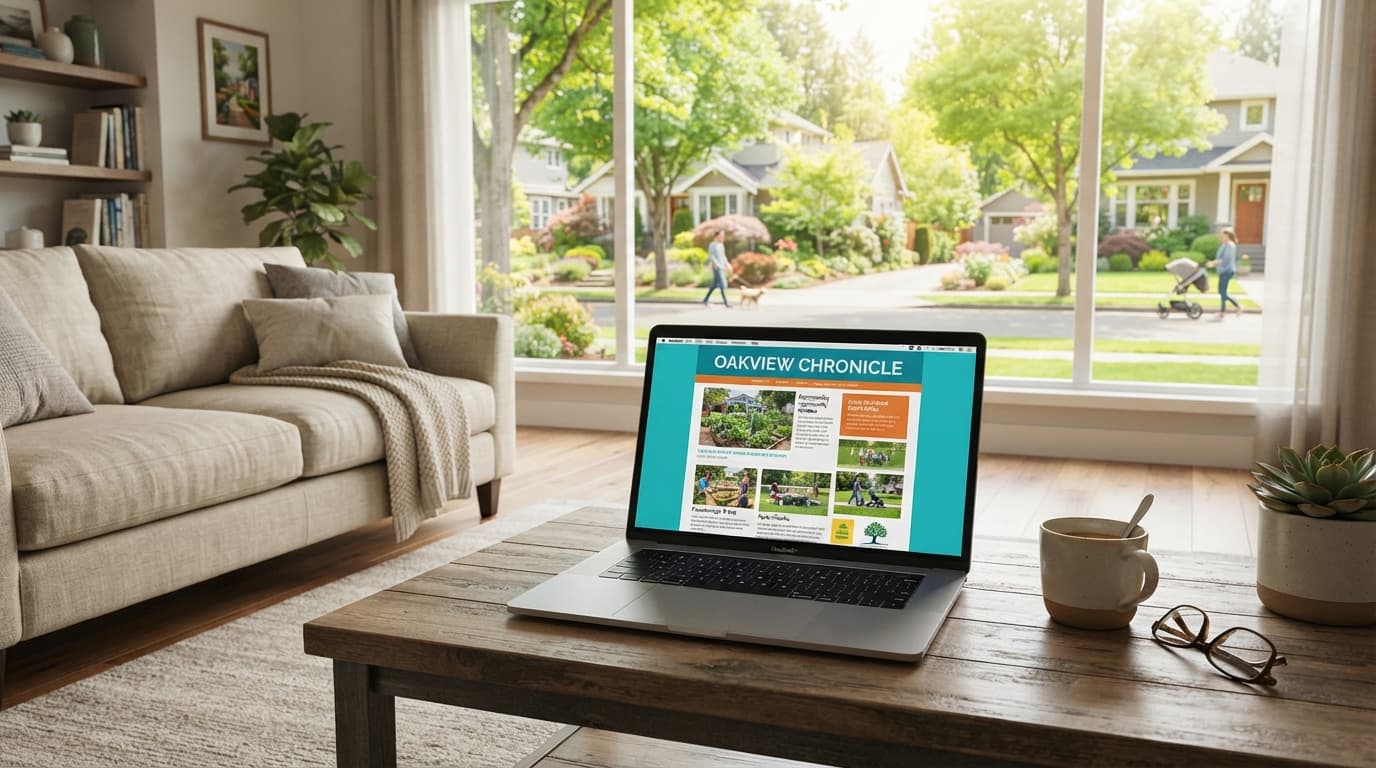
Imagine waking up on a Friday morning, brewing a fresh cup of coffee, and opening an email that tells you exactly what is happening in your immediate neighborhood over the weekend. No national political hand-wringing, no global economic forecasts—just pure, unfiltered, highly relevant local updates. There is a new artisanal bakery opening three blocks away, a zoning meeting that could affect the local park, and a youth soccer tournament looking for volunteers. You read every single word because this news directly impacts your daily life.
This is the magic of the suburban newsletter. As traditional local newspapers continue to decline, suburban residents are starving for reliable, engaging local information. For entrepreneurial writers, community advocates, and local marketers, this vacuum represents an extraordinary opportunity. However, the most common mistake aspiring publishers make is trying to be everything to everyone. They launch a broad "Town News" letter and quickly run out of steam, content, or readers.
The secret to building a wildly successful, highly engaged, and financially sustainable suburban publication lies in finding your niche. By narrowing your focus, you can dominate a specific topic, build deep trust with a dedicated group of residents, and attract highly targeted local advertisers. In this comprehensive guide, we will walk you through exactly how to choose, validate, and launch the perfect niche for your suburban newsletter.
Why the "All-Local-News" Trap Fails (and Why Niches Win)
When you decide to start a newsletter for your suburb, your first instinct might be to cover everything: school board elections, high school sports, police blotters, restaurant openings, and real estate transactions. While this sounds noble, it is almost impossible for a solo creator or a small team to sustain. You will quickly find yourself overwhelmed by the sheer volume of municipal meetings, sports schedules, and press releases.
More importantly, a broad focus dilutes your audience's engagement. A young professional without children may immediately hit "unsubscribe" if 80% of your newsletter is dedicated to elementary school PTA meetings. Conversely, a retiree might have no interest in nightlife recommendations or co-working spaces. When you try to appeal to everyone, you end up appealing to no one.
Choosing a niche solves these problems in several ways:
- Resource Management: It limits the scope of your content creation, allowing you to produce high-quality, deeply researched pieces rather than rushing to cover every minor event.
- Audience Loyalty: It attracts a self-selected group of passionate readers who care deeply about your specific angle, leading to exceptionally high open and click-through rates.
- Monetization Clarity: It makes selling sponsorships incredibly easy. If you run a family-focused newsletter, local pediatricians, tutoring centers, and toy stores will practically jump at the chance to sponsor your content.
Step 1: Analyze Your Suburban Demographics
Before you pick a niche, you must understand who actually lives in your target suburb. Every suburban community has its own unique cultural DNA. A leafy, affluent suburb populated by retirees and established executives requires a completely different newsletter than a fast-growing, blue-collar suburb filled with first-time homebuyers and young families.
Gathering Local Data
You do not need an expensive market research firm to understand your community. Start by exploring freely available resources:
- Census Bureau Data: Look up your town or ZIP code to find the median age, median household income, percentage of families with children, and homeownership rates.
- Local Facebook Groups: Join local neighborhood groups and Nextdoor communities. What are people complaining about? What questions do they ask repeatedly? What gets the most engagement?
- Real Estate Trends: Browse Zillow or Redfin for your area. Are houses selling to young couples fleeing the city, or are retirees downsizing? Are new master-planned communities being built?
Once you have a clear picture of who lives in your suburb, you can align your niche ideas with their actual lifestyle, interests, and pain points.
Step 2: Explore the Five Winning Suburban Niche Categories
To help you brainstorm, let’s explore five highly successful, proven niche categories for suburban newsletters. Each of these categories can be tailored to fit the specific character of your neighborhood.
1. The "What to Do with the Kids" Parent Guide
Suburbs are built for families. Parents are constantly searching for ways to keep their children entertained, educated, and active. If you choose this niche, your newsletter becomes the ultimate survival guide for local parents.
- Core Content: Weekly roundups of kid-friendly weekend events, reviews of local parks and playgrounds, summer camp guides, youth sports league sign-ups, and kid-friendly dining reviews.
- Why it Works: Parents are highly active consumers. They buy sports gear, book birthday party venues, pay for tutoring, and eat out frequently.
- Primary Advertisers: Dance studios, martial arts academies, private schools, pediatric dentists, and indoor play spaces.
2. The Food, Drink, and Retail Explorer
Suburban downtowns are undergoing a massive revival. People want to support local businesses, but they often do not know they exist. This niche celebrates the culinary and retail landscape of your suburb.
- Core Content: Sneak peeks of upcoming restaurant openings, interviews with local chefs and shop owners, weekend farmer's market guides, and curated gift guides featuring local boutiques.
- Why it Works: This content is highly visual and positive. People love sharing food and shopping recommendations with their friends, driving organic growth.
- Primary Advertisers: Local restaurants, craft breweries, boutique clothing shops, specialty grocery stores, and event planners.
3. The Real Estate and Neighborhood Development Watch
For most suburbanites, their home is their largest financial asset. Residents are deeply interested in anything that impacts property values, neighborhood aesthetics, or the local skyline.
- Core Content: Deep dives into major zoning proposals, profiles of new residential developments, monthly market reports (homes sold, average prices), and interviews with local interior designers or contractors.
- Why it Works: This niche attracts high-income readers, including homeowners, buyers, and sellers who are actively engaged in the local economy.
- Primary Advertisers: Real estate agents, mortgage brokers, home renovation contractors, landscaping companies, and moving services.
4. The Outdoor, Health, and Recreation Journal
Many people move to the suburbs specifically for access to green space, fresh air, and recreational activities. This niche caters to fitness enthusiasts, nature lovers, and weekend warriors.
- Core Content: Trail guides for local parks, schedules for recreational sports leagues, features on local environmental initiatives, healthy eating tips, and spotlights on local gym owners or yoga instructors.
- Why it Works: Health and wellness is a multi-billion dollar industry. Readers in this niche are passionate, loyal, and highly receptive to lifestyle recommendations.
- Primary Advertisers: Local gyms, yoga studios, health food stores, chiropractic clinics, and outdoor gear retailers.
5. The Civic & Community Spotlight (The "Feel-Good" Niche)
If you want to focus on community building, you can create a newsletter dedicated to celebrating the people, history, and civic life of your suburb. This is not about divisive local politics; it is about highlighting the positive forces in your town.
- Core Content: Profiles of inspiring residents, historical retrospectives of town landmarks, volunteer spotlights, and promotion of community charity events.
- Why it Works: People crave positive stories in an era of negative national news. This builds immense goodwill and organic community sharing.
- Primary Advertisers: Local banks, credit unions, established family businesses, and community foundations looking to build brand goodwill.
Step 3: Validate Your Suburban Niche
Once you have chosen a potential niche, you need to validate it before spending dozens of hours writing. Validation ensures there is actually a demand for your chosen topic and that you can sustain it long-term.
The "Content Horizon" Test
Take out a piece of paper and try to write down 52 newsletter subject lines or main story topics based on your chosen niche. If you struggle to get past ten, your niche is either too narrow, or you are not personally passionate enough about it. If you easily breeze past 30 or 40 topics, you have found a sustainable niche with a long "content horizon."
The "Coffee Shop" Conversation
Talk to five people in your target demographic who live in the suburb. Tell them about your newsletter idea. Don't just ask, "Would you read this?" (most people will say yes to be polite). Instead, ask: "What is the hardest part about [finding family activities / keeping up with local development / finding good restaurants] in our town?" If their struggles align with your proposed content, you have a green light.
The Competitor Analysis
Is there anyone else already doing this in your town? If yes, don't panic. Competition validates demand. Look at what they are doing and find a unique angle. If they focus on dry municipal meeting recaps, you can focus on the human-interest stories behind those decisions. If there is no competition, look at neighboring towns to see if similar models are working there.
The FluxLocal Advantage
Choosing your niche is the critical first step, but executing it requires the right technology and support. This is where FluxLocal comes in as your ultimate strategic partner. Building a community newsletter from scratch can be technically daunting—you have to manage email lists, design templates, build a local directory, and figure out how to collect sponsor payments.
By partnering with FluxLocal, you get access to a specialized, all-in-one platform built specifically for local community publishers. FluxLocal provides the infrastructure you need to seamlessly host your newsletter, manage local business directories, and run automated advertising systems. Instead of spending your weekends wrestling with complicated web design and subscriber management tools, FluxLocal lets you focus entirely on what you do best: uncovering great local stories, engaging with your neighbors, and building your niche brand.
Step 4: Craft Your Launch Strategy
With your validated niche and your technology partner in place, you are ready to launch. Your initial goal should be to get your first 100 subscribers. These early adopters will form the foundation of your community.
How to Get Your First 100 Subscribers
- Leverage Personal Networks: Send a personal, warm email to every friend, neighbor, and local contact you have in the suburb explaining what you are doing and inviting them to subscribe.
- Partner with Local Businesses: Approach a local business that aligns with your niche. Offer them a free spotlight in your first issue in exchange for them sharing your sign-up link on their social media pages or putting a flyer on their counter.
- Engage in Online Communities: Share helpful, non-spammy advice in local Facebook or Nextdoor groups, and include a link to your newsletter in your bio or as a follow-up resource.
Conclusion: Turn Your Neighborhood Knowledge into Community Power
Choosing the perfect niche for your suburban newsletter is not about finding the biggest possible audience; it is about finding the most passionate one. When you focus on a specific, deeply felt need in your suburban community, you transform from a simple writer into an indispensable community resource. You become the connector, the curator, and the champion of your neighborhood.
The suburbs are waiting for your voice. Don't let your ideas sit on the shelf. Launch your hyper-local newsletter journey today by visiting FluxLocal, and discover how easy it is to build, grow, and monetize your dream community publication.
---CONTENT_END---