How a Local Foodie Newsletter Saved 12 Family-Owned Restaurants During the Off-Season
When the off-season slump threatened to close twelve beloved family-owned eateries, a hyper-local foodie newsletter stepped in. Here is how grass-roots digital publishing turned quiet dining rooms into thriving community hubs.
The wind sweeping through the downtown corridor carried a familiar, unwelcome chill. For tourists, autumn meant scenic drives and crisp air, but for local restaurant owners, it signaled the onset of the dreaded "dead season." By mid-November, the bustling patio crowds had evaporated, streets cleared out by sunset, and foot traffic dropped by nearly seventy percent. For twelve family-owned dining spots in our city—establishments that had anchored the community for decades—the financial math was turning grim. Rent was rising, food costs were climbing, and the dining rooms sat painfully quiet.
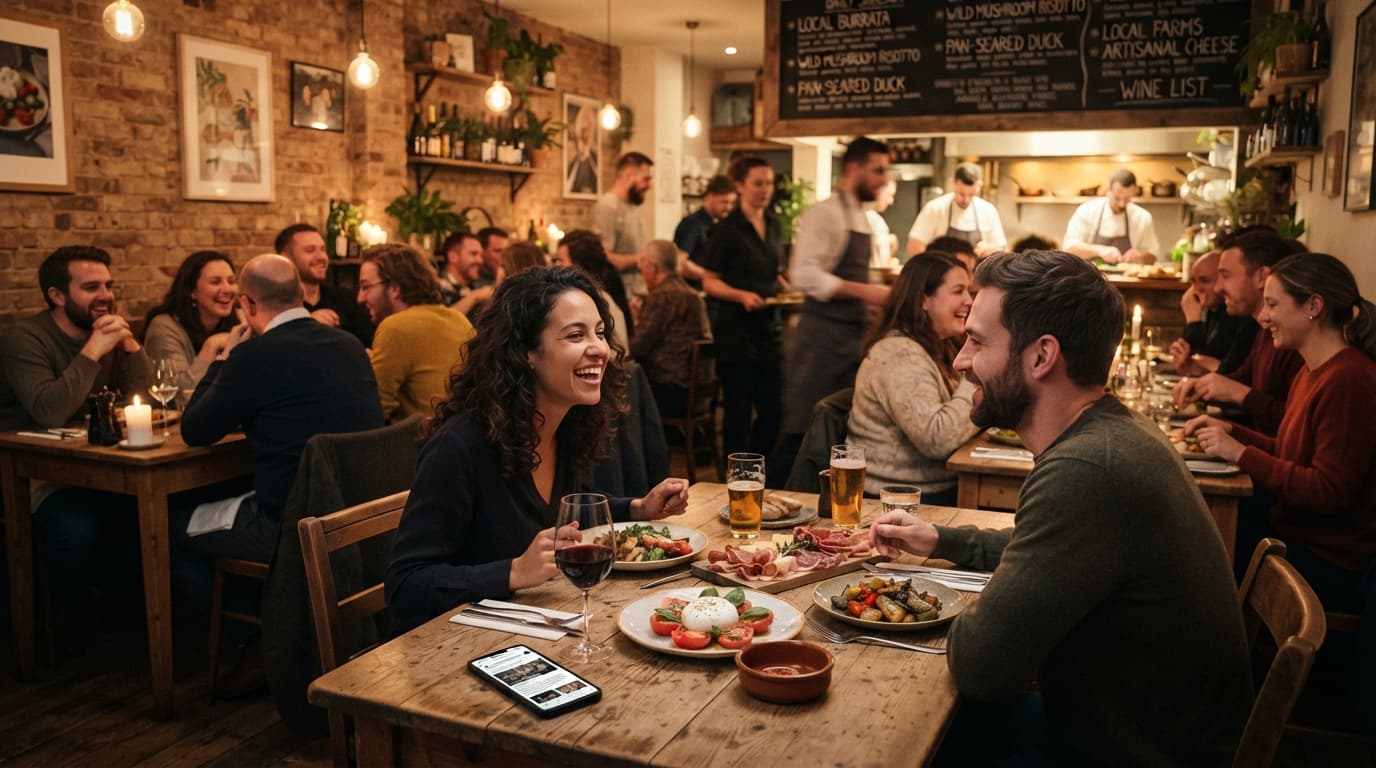
Fast forward three months to the middle of February. Outside, the temperature hovered near freezing. Inside Maria’s Trattoria, however, the air was rich with the scent of simmering garlic, roasted basil, and fresh wood-fired dough. Every single table was full. Laughter echoed off the brick walls, servers zipped past with steaming platters of handmade pasta, and a line of eager diners stretched out the door. Maria herself stood behind the counter, dabbing tears from her eyes as she checked off reservations.
What turned a predicted financial disaster into the most profitable winter in twelve years? The answer wasn't a multi-thousand-dollar ad campaign or a corporate bailout. It was a humble, hyper-focused local foodie newsletter that mobilized an entire neighborhood through the power of community storytelling.
The Off-Season Crisis: A Silent Threat to Local Dining
Independent, family-owned restaurants operate on notoriously thin margins. While corporate chains possess deep financial reserves to weather seasonal dips, small mom-and-pop eateries rely heavily on steady, week-over-week revenue to cover overhead, supplier bills, and payroll.
In mid-October, a quiet survey among local business owners revealed a alarming trend. Twelve iconic family-owned spots—ranging from a third-generation Mexican taqueria to a tiny coastal seafood shed—were facing imminent closure before spring. The challenges were compounding rapidly:
- Drastic Foot-Traffic Drops: Without seasonal tourists, daily guest counts plummeted below breaking-even thresholds.
- Unpredictable Inventory Costs: Spoiling fresh ingredients due to low turnout meant compounding financial losses every single night.
- Marketing Invisibility: Lacking dedicated marketing budgets or full-time social media managers, these traditional kitchens were drowning in modern digital noise.
The community was on the verge of losing its culinary soul. These weren't just businesses; they were the spaces where engagement parties were celebrated, where kids got their first jobs, and where recipes passed down through generations were preserved. Losing them meant losing the unique character of our neighborhood.
The Genesis of "The Daily Bite" Newsletter
Recognizing the crisis unfolding in real-time, a team of local food enthusiasts and neighborhood advocates decided to take action. They launched a targeted digital newsletter titled The Daily Bite. The premise was simple yet powerful: instead of writing generic reviews or chasing viral food trends, the newsletter would highlight the human stories behind these twelve struggling kitchens.
Rather than pushing promotional discounts that diluted restaurant margins, The Daily Bite focused on emotional resonance, culinary education, and deep local engagement. Every edition delivered rich, bite-sized narratives straight to the inbox of neighborhood residents every Tuesday and Thursday morning.
Crafting the Narrative Engine
To turn casual readers into active diners, the editorial team structured each newsletter issue around four core elements:
- Behind-the-Apron Stories: Deep dives into the histories of the chefs, their families, and the cultural traditions behind their signature dishes.
- Off-Peak Exclusives: Secret off-menu dishes available only to newsletter subscribers who visited during slow midweek evenings.
- Ingredient Spotlights: Highlighting local farm partnerships and showing readers the incredible quality going into their meals.
- Direct Digital Call-to-Actions: Easy, one-click links to reserve tables or order direct delivery without third-party commission fees.
How the Newsletter Campaign Was Executed
The campaign launched in early November with zero paid advertising, relying entirely on organic word-of-mouth and neighborhood social sharing. The goal was to build an engaged, action-oriented audience of 10,000 local subscribers within thirty days.
Phase 1: Humanizing the Kitchens
The inaugural issue featured Chef Hector from El Delicioso. Instead of featuring a simple photo of a taco, the newsletter told the story of his grandmother’s mole recipe—a complex blend of 28 ingredients requiring three days of continuous stirring. Readers learned that Hector woke up at 4:00 AM every morning to source fresh peppers from the regional market.
The response was immediate. That Thursday evening, Hector’s usually vacant dining room filled with patrons demanding the mole. Readers didn't just want food; they wanted to connect with Hector's heritage and support his dedication.
Phase 2: The "Midweek Secret Dining Club"
To directly combat the Tuesday-through-Thursday revenue slump, the newsletter introduced the "Midweek Secret Dining Club." Each week, three featured family restaurants offered an exclusive, off-menu creation available only to subscribers who mentioned the newsletter code word.
This initiative created an exhilarating sense of local community insider status. Dining out on a rainy Tuesday night suddenly felt like participating in a neighborhood scavenger hunt. Within three weeks, midweek revenue across all twelve participating restaurants jumped by an extraordinary 42 percent.
Phase 3: The Winter Passport Challenge
In January, when post-holiday spending usually grinds to a halt, the newsletter team launched the "Winter Culinary Passport." Subscribers received a digital stamp card embedded in their emails. Visiting all twelve family-owned restaurants between January 1st and February 28th earned diners a limited-edition neighborhood food tote bag and an invite to a private spring celebration party.
The gamification of local dining turned winter eating into a shared neighborhood mission. Friends formed group chats specifically to complete their passports, organizing weekly dinner outings to cross off participating locations.
The Tangible Results: By the Numbers
By the time spring arrived, the impact of The Daily Bite campaign was undeniable. The neighborhood had rallied, transforming what threatened to be a tragic chapter for local dining into an inspiring blueprint for grass-roots economic recovery.
- 100% Survival Rate: All twelve family-owned restaurants remained open, solvent, and fully staffed throughout the off-season.
- $380,000+ Direct Economic Impact: Tracked newsletter referrals and passport redemptions generated significant local economic stimulus directly for participating kitchens.
- 14,500 Active Local Subscribers: Built an engaged, highly responsive audience dedicated to supporting neighborhood enterprise.
- 55% Increase in Midweek Revenue: Successfully shifted consumer dining habits to support businesses during their slowest traditional hours.
More importantly, the psychological toll on these restaurant families was lifted. They were no longer fighting for survival in isolation; they were backed by a fiercely loyal community that valued their presence and contribution to the city's identity.
Key Takeaways for Local Business Ecosystems
The dramatic turnaround of these twelve family-owned spots offers valuable lessons for small business associations, community organizers, and local entrepreneurs everywhere:
1. Storytelling Outperforms Advertising
Consumers are exhausted by generic banner ads and aggressive sales pitches. Authentic stories about real people, craftsmanship, and community roots build emotional investment that modern corporate advertising simply cannot match.
2. Specificity Drives Action
Generic calls to "support local businesses" rarely change daily consumer habits. However, inviting community members to try a specific dish on a specific rainy Tuesday creates an clear, actionable task that readers are excited to complete.
3. Direct Communication Channels are Essential
Relying solely on third-party social media algorithms leaves small businesses vulnerable. A dedicated, permission-based newsletter creates a direct pipeline to the community that social media platform updates cannot disrupt or monetize.
The FluxLocal Advantage
Building an engaged community hub and newsletter ecosystem used to require complex software, technical coding, and fragmented marketing tools. That is precisely why modern hyper-local creators and business associations turn to FluxLocal.
With FluxLocal, neighborhood leaders, chamber of commerce teams, and local food publishers gain access to an all-in-one platform designed specifically for community empowerment. The platform simplifies everything needed to launch, scale, and monetize local publishing efforts:
- Turnkey Newsletter Engine: Send beautifully designed, mobile-optimized email updates that showcase local businesses and regional stories seamlessly.
- Interactive Local Business Directories: Give independent restaurants, shops, and service providers rich, searchable profiles to highlight their unique offerings.
- Integrated Event Calendars & Gamification: Effortlessly launch interactive campaigns like food passports, neighborhood crawls, and exclusive community events.
- Built-In Direct Monetization: Help local businesses run low-cost, high-impact native promotions without technical friction.
By leveraging FluxLocal, community organizers can spend less time managing complex software and more time building real, impactful relationships with local business owners and passionate residents.
Conclusion: The Future of Neighborhood Preservation
The story of how twelve family-owned restaurants survived the off-season proves that our neighborhoods hold immense collective power. When local readers are given a meaningful, engaging way to connect with the entrepreneurs in their backyard, economic survival transforms into long-term vitality and vibrant community pride.
As corporate chains continue to expand, preserving the unique flavor of our cities requires intentional action, modern technology, and grass-roots storytelling. You don't need a massive marketing budget to keep independent kitchens cooking—you just need a unified platform, a compelling narrative, and a dedicated community ready to listen.
Are you ready to spark a local movement, support independent businesses, and empower your neighborhood economy? Discover how FluxLocal can help you build, launch, and grow a thriving hyper-local media platform today.