Hosting Virtual Town Halls: How to Turn Newsletter Feedback into Live Community Discussions
Transform passive newsletter readers into active civic participants. Learn how to curate reader feedback and host impactful virtual town halls that drive local change.
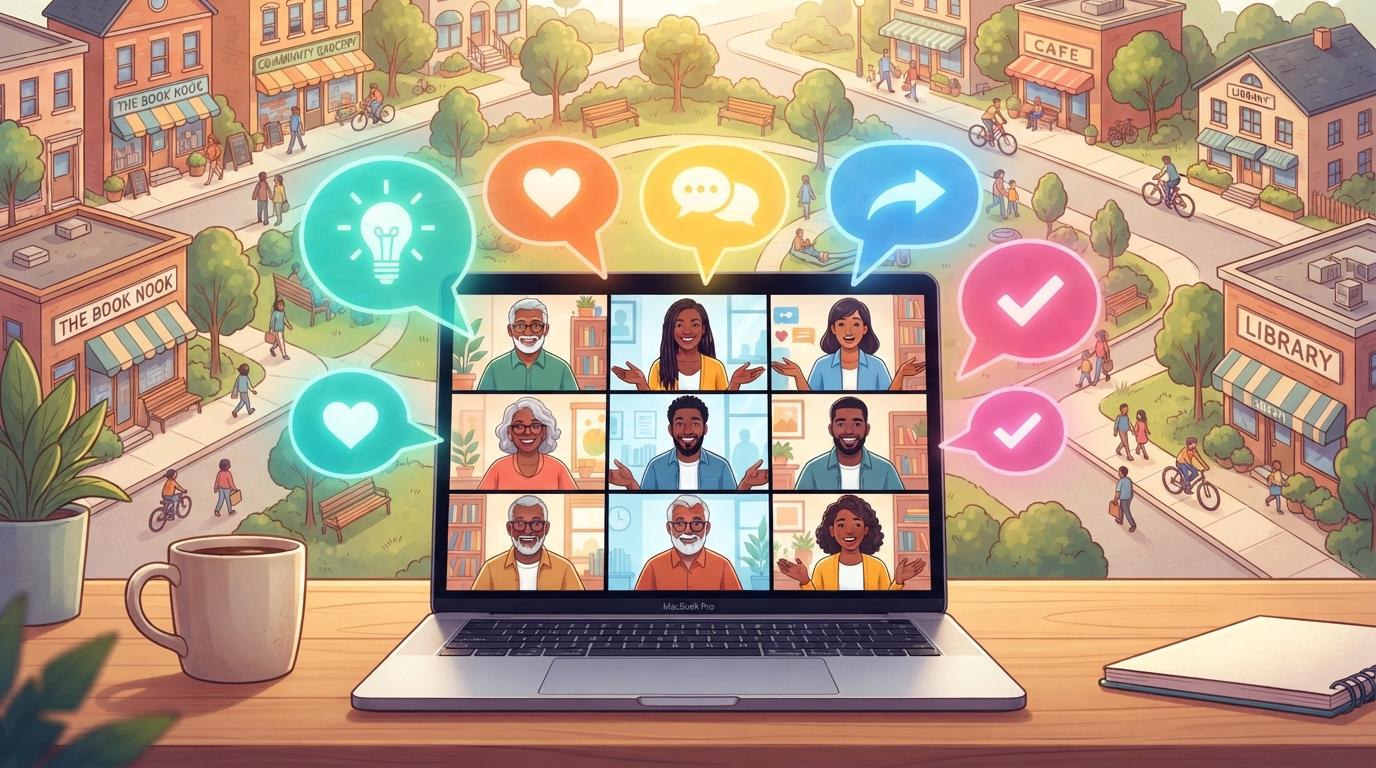
In every vibrant neighborhood, town, and city, the heartbeat of the community resides in its conversations. Every week, thousands of local independent publishers, civic organizers, and neighborhood leaders send out newsletters packed with local updates. Readers scroll through, digest the news, and frequently hit "reply" to share passionate opinions, subtle critiques, and invaluable firsthand observations. Yet, too often, these rich feedback loops remain trapped inside isolated email inboxes, invisible to the broader community.
What if you could take those isolated emails and turn them into dynamic, collaborative civic events? Transforming passive newsletter feedback into live virtual town halls is one of the most powerful strategies for deepening subscriber loyalty, elevating local voices, and sparking meaningful real-world change. By creating an interactive bridge between written content and live conversation, you evolve your media presence from a simple broadcast channel into an indispensable community square.
This comprehensive guide walks you through the step-by-step framework for turning reader inbox replies into energizing, high-impact virtual town halls that keep your audience engaged, informed, and connected.
1. The Architecture of Feedback: Mining Your Newsletter for Town Hall Topics
Every dynamic virtual town hall begins long before the live stream goes live. The foundation rests upon listening closely to what your readers are already telling you. Instead of guessing what topics your audience cares about, your inbox provides a real-time, data-driven roadmap of community interests.
Categorizing Inbound Reader Sentiment
To systematically convert email interactions into town hall agendas, start by organizing incoming newsletter replies into specific thematic categories. Look out for three distinct types of feedback:
- The Spark Points: High-emotion, hot-topic issues that generate an immediate wave of replies (e.g., proposed zoning changes, new bike lane installations, or local school board decisions).
- The Unsung Solutions: Detailed, thoughtful replies from local experts or passionate residents offering actionable solutions to systemic neighborhood problems.
- The Recurring Questions: Persistent confusion or curiosity about hyper-local issues (e.g., "How is our downtown business district spending its beautification grant?").
Using Micro-Polls to Validate Interest
Once you identify a promising thread of discussion within your email replies, use your next newsletter edition to validate community interest. Insert a micro-poll asking a simple question: "Would you join a 45-minute live panel on this topic next week?" If your readers respond enthusiastically, you have clear greenlight metrics to proceed with organizing the live event.
2. Curating the Conversation: Designing an Engaging Virtual Town Hall Format
The traditional municipal town hall is notorious for being dull, intimidating, and poorly attended. Long speeches by public officials followed by rigid, two-minute public comment periods often leave residents feeling unheard. Your virtual town hall must flip this script entirely by prioritizing interactive dialogue, empathetic moderation, and accessible modern technology.
Choosing the Right Programmatic Structure
Keep your virtual town halls tight, fast-paced, and respectful of your attendees' time. A highly successful 60-minute framework includes:
- 00–05 Minutes: Welcoming & Framing: Briefly state the context of the meeting, emphasizing how reader newsletter feedback brought everyone together.
- 05–20 Minutes: Spotlight Panels: Feature two or three community members—including newsletter subscribers who sent in notable feedback—to lay out the key perspectives.
- 20–50 Minutes: Moderated Q&A & Open Floor: Address questions submitted ahead of time via email, followed by live text-chat questions and raised-hand audio comments.
- 50–60 Minutes: Next Steps & Community Commitments: Summarize tangible key takeaways, outline actionable next steps, and explain how the conversation will continue in upcoming newsletter issues.
Setting the Ground Rules for Respectful Dialogue
Civic discussions can quickly become heated, particularly around sensitive local issues. Establish clear, friendly community guidelines at the beginning of the broadcast. Emphasize constructive problem-solving over complaints, set strict time limits for individual speakers, and designate a co-host to actively moderate the text chat, ensuring a safe, welcoming, and inclusive space for all participants.
3. Promotion and Prep: Turning Passive Readers into Active Attendees
Even the most compelling topic won't attract an audience without a dedicated promotional campaign. Because your primary audience is already tuned into your newsletter, your email updates serve as your most effective promotional engine.
Crafting Personal, Value-Driven Invitations
Avoid generic event flyers. Instead, frame your town hall invitations around the exact quotes and questions your readers submitted. Use subject lines like: "You asked about our local park updates—now let’s discuss it live this Thursday." Highlight the featured guests, explain why their presence matters, and give readers a direct link to submit additional questions ahead of time.
Empowering Subscriber Speakers
If a newsletter subscriber sent an exceptionally insightful reply during your initial research phase, invite them to be a guest speaker or to ask their question live on camera. Giving community members a platform turns passive audience members into invested co-creators. Provide them with brief prep notes prior to the event so they feel comfortable, confident, and supported on screen.
4. Executing a Seamless Virtual Experience
On the day of your event, smooth technical execution lets your community focus entirely on the substance of the discussion. You don't need a professional broadcast studio to host an incredible virtual town hall, but you do need attention to fundamental digital event management best practices.
Technical Best Practices checklist
- Multi-Host Roles: Never host alone. Assign one person as the main facilitator, a second person as the tech manager, and a third person as the chat moderator.
- Accessibility Matters: Enable live closed captioning, share screen slides with high-contrast text, and provide clear audio settings for callers connecting via phone.
- Interactive Touchpoints: Keep the digital audience engaged every 10 minutes using live Zoom/StreamYard polls, word clouds, or designated chat prompts.
5. Closing the Loop: Turning Live Outcomes Back into Written Content
The biggest mistake community leaders make is treating a virtual town hall as a isolated event. The magic really happens *after* the broadcast ends, when you synthesize the live insights back into your newsletter ecosystem.
Publishing Post-Town Hall Summaries
Within 48 hours of the event, send out a comprehensive recap newsletter. Include:
- A bulleted breakdown of the key takeaways and major points of consensus.
- Embedded short video clips or timestamps highlighting key moments of the conversation.
- Clear answers to questions that couldn't be answered during the live broadcast due to time constraints.
- An explicit roadmap detailing what local leaders or organizers are doing next based on the community's feedback.
This "Closed-Loop System"—moving from newsletter feedback to live town hall and back into newsletter reporting—builds immense trust. It proves to your subscribers that their time, feedback, and voices genuinely matter and drive concrete local action.
6. The FluxLocal Advantage: Elevating Your Civic Ecosystem
Managing newsletter distribution, reader feedback tracking, and event coordination across fragmented digital tools can quickly become overwhelming for local creators and community organizations. That is where purpose-built modern community software becomes transformational.
With FluxLocal, local organizers get access to an all-in-one suite designed specifically for hyper-local digital engagement. FluxLocal bridges the gap between written content and live community experiences, giving publishers the tools they need to build thriving, resilient neighborhoods.
Streamlined Feedback Aggregation
Instead of digging through disorganized email threads, FluxLocal automatically captures, categorizes, and highlights high-value reader engagement. You can instantly tag newsletter replies by neighborhood topic, tag key community contributors, and flag emerging trends before planning your next live agenda.
Integrated Live Event Workflows
FluxLocal simplifies virtual town hall planning with native RSVP landing pages, automated email reminders, dynamic pre-event Q&A submission boards, and post-event archive hosting. By keeping your newsletters, audience analytics, and virtual gatherings under one intuitive roof, FluxLocal eliminates technical friction, allowing you to focus entirely on bringing people together and driving real local progress.
Conclusion: Start Building Your Next Virtual Town Hall Today
Local communities don't thrive by accident; they flourish when neighbors have safe, accessible, and meaningful opportunities to talk, listen, and solve shared challenges together. Your newsletter inbox is already filled with the seeds of your next great community discussion. By harvesting those initial feedback loops and nurturing them into dynamic virtual town halls, you transform your platform from a simple news source into a vibrant, indispensable civic hub.
Ready to unlock the full potential of your community's voice? Take a look at your recent newsletter replies, identify the issue your readers care about most, and host your first virtual town hall this month. Partner with FluxLocal today to seamlessly turn everyday newsletter conversations into lasting civic impact.