From Inbox to Street: How to Create a Physical Zine From Your Local Newsletter Content
Take your neighborhood narrative off the screen and into the streets. Discover how to curate, design, print, and distribute a tangible zine using your existing newsletter content.
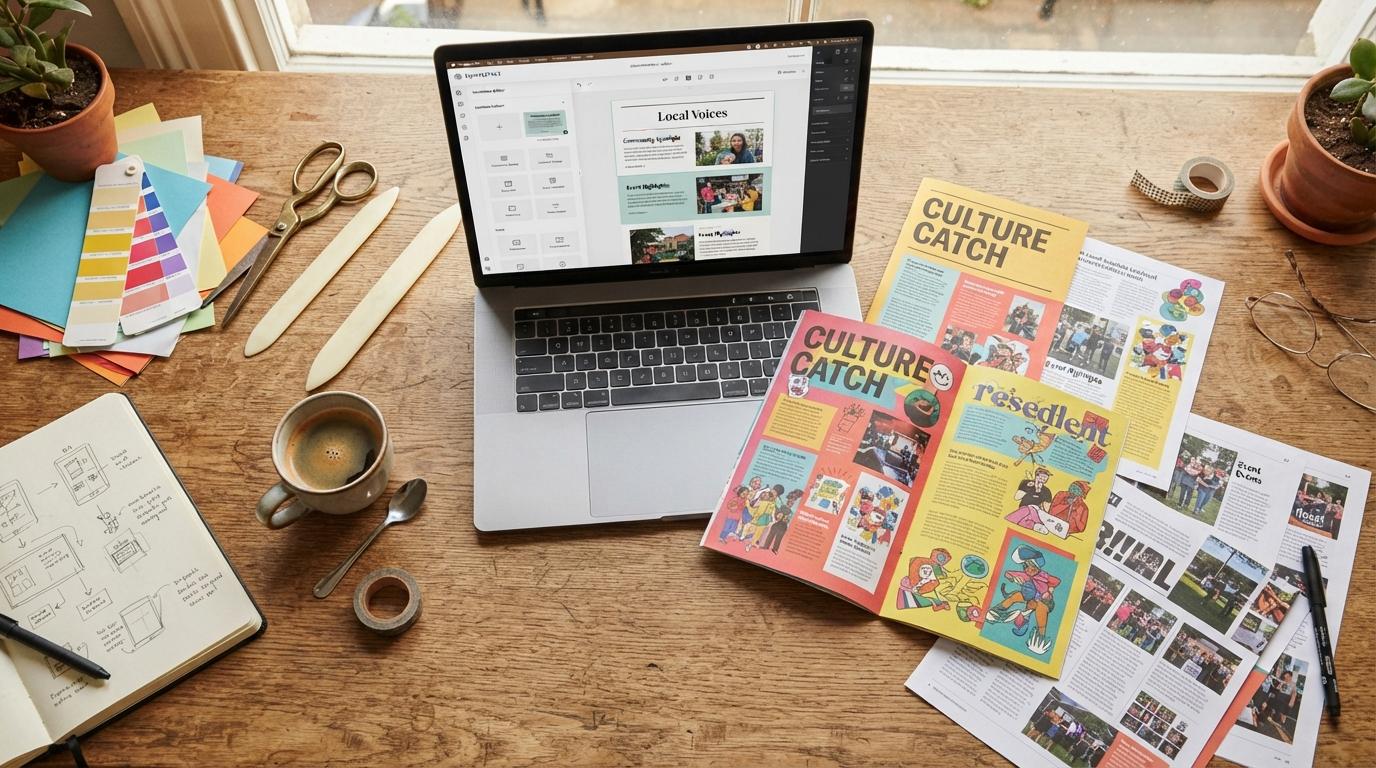
Every week, thousands of local creators press "send" on digital newsletters that highlight neighborhood news, highlight independent businesses, showcase local artists, and chronicle the quiet rhythms of community life. These digital publications build remarkable hyper-local followings. Yet, in an era defined by digital fatigue, continuous scrolling, and overflowing inboxes, even the most captivating digital content can feel fleeting—lost in the endless stream of notifications.
There is an extraordinary power in physical objects. When you place a tangible, beautifully designed booklet into someone's hands, the dynamic changes entirely. Print demands presence. It invites readers to slow down, sip a cup of coffee, and connect deeply with the stories happening right outside their front door. Converting your existing digital newsletter into a physical print zine (pronounced "zeen") is not merely a fun vintage experiment; it is a strategic bridge that takes your local narrative from the inbox directly to the street.
Whether you run a weekly roundup of city council decisions, a local food review digest, or a neighborhood culture newsletter, this comprehensive guide will walk you through the process of repurposing your digital archive into a sought-after physical publication.
Why Go Analog? The Power of Print in a Hyper-Digital Age
Before diving into the mechanical steps of layout and printing, it is essential to understand why print media is experiencing a massive resurgence among local communities. Transforming your digital efforts into print provides distinct advantages that screen-based platforms simply cannot match.
1. Cutting Through the Digital Noise
The average city dweller receives dozens of marketing emails daily. While open rates for hyper-local newsletters remain relatively high, the average reading time is measured in seconds. A physical zine sitting on a coffee shop table or a library counter demands attention in a tactile way. It bypasses spam filters, algorithm updates, and screen lockouts.
2. Creating Tangible Community Artifacts
Digital newsletters exist in the cloud; print zines exist in the real world. A physical publication turns your reporting and curation into a collectible artifact. Local archives, historical societies, independent bookstores, and residents keep print copies for years. Your work shifts from ephemeral media to a historical record of your neighborhood’s culture.
3. Unlocking New Local Distribution Channels
A newsletter requires an email address, which usually means reaching people who are already looking for you online. A physical zine distributed in local spaces—such as bakeries, record stores, barbershops, and community centers—engages casual passersby who might never find your signup form through standard web searches.
Phase 1: Curating Your Newsletter Content for Print
You do not need to write an entirely new publication from scratch. Your existing email newsletter archive is a goldmine of pre-tested, high-performing content. The goal of curation is to select stories that maintain long-term value, rather than time-sensitive news that expires within days.
Selecting Evergreen Stories
When reviewing your past newsletter editions, flag content that fits into the following evergreen categories:
- Deep-Dive Profiles: Long-form interviews with local artisans, shop owners, community activists, or long-time residents.
- Curated Guides: "The Best Hidden Courtyards in the East District," "A Native Guide to Local Vintage Shops," or historical walking tours.
- Local Essays and Op-Eds: Reflections on neighborhood history, architectural reviews, or personal stories about city life.
- Visual Collections: Local photography features, reader-submitted artwork, or photo essays capturing seasonal transitions in your town.
Editorial Trimming and Revision
Digital content often relies heavily on hyperlinks for context. Print requires self-contained clarity. As you edit your newsletter text for the zine format, implement these adjustments:
- Spell Out URL References: Replace text like "click here to read more" with written citations, short domain paths, or QR codes leading to digital expansions.
- Tighten Word Counts: Space is finite on paper. Edit ruthlessly to ensure every sentence earns its place on the page.
- Standardize Formatting: Ensure tone, voice, and stylistic choices are consistent across pieces originally published months apart.
Phase 2: Designing Your Zine Architecture
Designing for print requires a slight shift in mindset from web layout. You are dealing with real-world dimensions, paper folds, margins, and physical page counts.
Understanding Pagination and Booklet Binding
Most basic zines are created using a standard folded saddle-stitch format (where folded sheets of paper are stapled along the spine). Because every folded sheet creates four pages, your total page count must always be a multiple of four (e.g., 8, 12, 16, 20, or 24 pages).
Map out your issue using a simple pagination plan before opening your design software:
- Page 1: Front Cover (Bold visual, clear title, issue number, date).
- Page 2: Inside Front Cover (Editor's letter, colophon, table of contents).
- Pages 3-14: Main content, feature stories, photo spreads, and local sponsor spots.
- Page 15: Neighborhood resources, upcoming calendar highlights, or reader submissions.
- Page 16: Back Cover (Community credits, web/newsletter subscription QR code, back-cover art).
Choosing the Right Tools
You do not need an advanced degree in desktop publishing to lay out a professional-looking zine. Choose a tool aligned with your comfort level:
- Entry-Level: Canva offers custom document sizing, intuitive grid layouts, and direct export options for PDF print formats.
- Intermediate: Affinity Publisher provides professional-grade typography control, master pages, and vector handling at a lower, one-time cost.
- Advanced: Adobe InDesign remains the industry standard for precise multi-page booklet layouts, typography, and prepress controls.
Phase 3: Production and Physical Printing
Once your layout is complete and exported as a high-resolution, print-ready PDF (with 300 DPI resolution and bleed settings applied), it is time to choose your production method. Your choice depends on your budget, aesthetic preferences, and total print run.
Option A: DIY Copy Shop aesthetic (High Charm, Low Budget)
If you are aiming for a classic, DIY punk or indie zine vibe, print your layout using a black-and-white laser printer or high-speed photocopier on textured, recycled paper stock. Use a heavy cover stock (e.g., 65lb to 80lb cover) paired with lighter interior pages (24lb or 28lb paper text weight).
To assemble manually, you will need a long-arm booklet stapler and a wooden bone folder to score sharp, crisp page creases.
Option B: Local Commercial Printer (Professional Finish, Mid-to-High Volume)
If your newsletter brand demands sleek, high-definition color photographs and precise finish quality, partner with a local independent print shop. Requesting quotes for standard digest size (5.5" x 8.5" folded from 8.5" x 11" sheets) with full-color covers and black-and-white or full-color interiors often yields affordable per-copy costs on runs of 250 to 1,000 units.
Phase 4: Street-Level Distribution Strategies
A printed zine is only as effective as its distribution footprint. Moving your content onto physical streets requires building real-world relationships with local storefronts and community hubs.
Building a Local Distribution Network
Map out potential distribution nodes within your target geographic coverage area:
- Third Places: Independent coffee shops, craft breweries, community roasteries, and neighborhood bakeries.
- Cultural Hubs: Local bookstores, art galleries, record shops, public library community tables, and indie clothing boutiques.
- Service Spots: Busy barbershops, salon waiting areas, community laundromats, and local clinic lobbies where visitors look for high-quality reading material while waiting.
Always ask business owners or managers for permission before dropping off copies. Offer them a small card stand or custom acrylic holder that keeps your zine display clean, organized, and easy to restock.
The FluxLocal Advantage: Bridging Digital and Physical Communities
Transitioning content between the digital sphere and physical streets does not mean maintaining isolated channels. Modern local publishing thrives when your online hub and offline media support one another seamlessly.
This is where FluxLocal transforms how community creators manage, amplify, and monetize their work. As a specialized local platform designed specifically for city creators, neighborhood journalists, and community builders, FluxLocal acts as the connective engine for your hyper-local publishing ecosystem.
By pairing your physical zine with FluxLocal, you can:
- Monetize Print via Digital Subscriptions: Offer your physical zine as an exclusive perk for premium subscribers managed directly through your FluxLocal membership tier.
- Dynamic QR Integrations: Use FluxLocal to host interactive media expansions—such as audio interviews, video clips, or full event calendars—linked directly from pages in your printed zine via custom QR codes.
- Directory & Partner Cross-Promotion: Highlight local businesses featured in your physical zine within your digital directory on FluxLocal, offering local sponsors dual exposure across screen and paper.
- Streamline Reader Submissions: Gather photo contributions, neighborhood tips, and local op-eds through FluxLocal’s community tools, curating the best submissions for your next print issue.
From First Issue to Ongoing Local Tradition
Transforming your digital newsletter into a physical zine is more than a creative marketing exercise. It is a commitment to spatial storytelling—a way to anchor your digital reporting into the brick-and-mortar reality of the place you call home.
When a resident picks up your zine from a local café table, reads a story about a neighbor down the street, and tucks that booklet into their bag to keep, your digital newsletter transforms from an unread email into an essential part of neighborhood life.
Ready to amplify your neighborhood presence both online and on the street? Join FluxLocal today and discover how our platform empowers local publishers, creators, and organizers to build thriving, sustainable community media ecosystems.