Case Study: How a Suburban Newsletter Generated $50k in Yearly Sponsorships with Just 2,000 Subscribers
Think you need a massive audience to make real money with a newsletter? Think again. This case study reveals how a suburban newsletter generated $50,000 in yearly recurring sponsorships with just 2,000 hyper-engaged local subscribers.
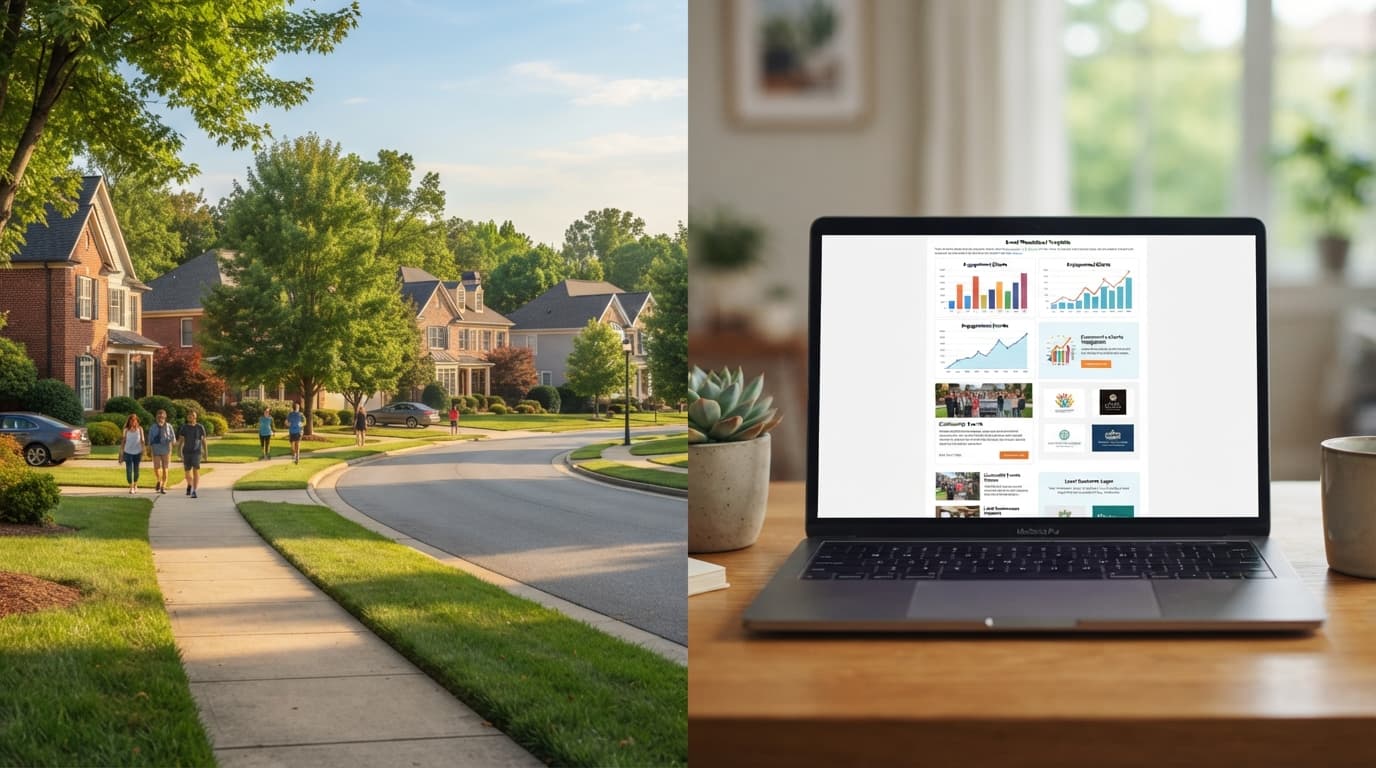
There is a persistent myth in the digital publishing world that success is strictly a numbers game. Content creators are told that they need hundreds of thousands of page views, millions of TikTok impressions, or a massive email list of at least 50,000 subscribers before they can even think about meaningful monetization. But in the world of hyper-local media, the rules of gravity are entirely different.
Consider the story of The Oakridge Outlook, a weekly suburban newsletter serving a quiet, upper-middle-class community of about 15,000 residents. With an email list of just 2,000 subscribers, the founder—a local resident working part-time on the project—managed to generate $50,000 in annual recurring sponsorship revenue. That is an average of $25 per subscriber per year, a figure that dwarfs the industry average for major national media outlets.
How did they do it? They didn’t rely on programmatic banner ads that pay pennies, nor did they sell out their audience with annoying pop-ups. Instead, they built a high-trust, hyper-focused communication channel that local business owners practically begged to get inside. This case study breaks down the exact framework, pricing structure, and sales strategy used to turn a small suburban email list into a highly profitable, community-centric business.
The Power of "Hyper-Local" Niches
To understand why this model works, we first have to examine the concept of "hyper-local" media. For a national brand, a list of 2,000 people is a drop in the bucket. But for a local real estate agent, a family-owned dentist office, or a neighborhood bistro, those 2,000 people represent their entire target market.
In a suburban setting, the readers of a local newsletter aren't just random avatars online; they are active homeowners, parents, taxpayers, and consumers. They are the people who walk past the storefronts daily, attend the town council meetings, and decide where to spend their weekend leisure dollars. When a local business advertises in a national publication, 99.9% of their budget is wasted on people who live thousands of miles away. But when they sponsor a local newsletter, nearly 100% of the audience is within driving distance of their cash register.
Why Engagement Trumps Scale
While large media companies boast about their reach, they often hide their dismal engagement rates. The Oakridge Outlook maintained an average open rate of 68% and a click-through rate of 14%. Because the newsletter contained highly relevant information—such as school board summaries, road closures, new restaurant openings, and weekend event guides—subscribers opened it religiously every Thursday morning.
For a local business owner, this level of attention is priceless. They aren't paying for "eyeballs"; they are paying for trusted attention. When the newsletter editor recommended a local plumbing service or highlighted a weekend sale at the boutique hardware store, it carried the weight of a personal recommendation from a trusted neighbor.
The Monitization Model: Anatomy of a $50k Sponsorship Strategy
The founder of The Oakridge Outlook realized early on that selling one-off ad placements was a recipe for burnout. Sending dozens of cold emails every week to secure a $50 ad spot is an exhausting, unsustainable way to run a business. Instead, they designed an exclusive, high-value sponsorship model focused on long-term partnerships.
The Exclusive "Category Captain" Model
Instead of cramming the newsletter with dozens of competing ads, the publication restricted sponsorships to just four exclusive "Category Captains" per quarter. Only one business from each major local industry could sponsor the newsletter at any given time. The categories selected were:
- Real Estate: The exclusive local realtor.
- Home Services: A trusted local HVAC, plumbing, or landscaping company.
- Professional Services: A local dentist, orthodontist, or estate attorney.
- Retail & Leisure: A prominent local restaurant group or boutique market.
By offering complete category exclusivity, the newsletter turned the sponsorship into a highly competitive asset. If Realtor A locked in the sponsorship for Q2, Realtor B was completely shut out. This exclusivity created a sense of urgency and dramatically increased the perceived value of the ad space.
The Pricing Tiers
With only four primary sponsors active at any given time, the pricing was structured to reflect the high value and low noise of the ad space. The packages were sold on 6-month and 12-month commitments, paid monthly:
- The Anchor Sponsor (1 slot available): $1,500/month. This sponsor received the top banner placement, a dedicated "Business Spotlight" feature article once per quarter, and a permanent link in the header.
- Category Sponsors (3 slots available): $850/month each. These sponsors received mid-newsletter placements, weekly logo rotation, and a monthly social media mention.
Let's look at the math of this model:
- 1 Anchor Sponsor at $1,500/month = $18,000/year
- 3 Category Sponsors at $850/month = $30,600/year
- Classifieds & Job Board additions = ~$2,000/year
- Total Annual Revenue: $50,600
With just four core relationships to manage, the publisher spent less than two hours a week on administrative and sales tasks once the sponsorships were booked.
How the Sales Process Worked (Without Cold Calling)
Many prospective newsletter operators are terrified of sales. They imagine cold calling grumpy business owners or sending hundreds of ignored LinkedIn messages. However, The Oakridge Outlook bypassed this by leveraging a warm, community-first outreach strategy.
Step 1: The "Free Feature" Hook
Before ever asking for a single dollar, the publisher featured local businesses for free in a section called "Meet Your Neighbors." They would write a short, highly flattering 150-word profile of a local bakery owner or a family dentist, complete with photos. They sent a draft to the business owner beforehand, asking for their approval.
This simple act of goodwill did three things: it created great content for the readers, it delighted the business owners, and it introduced the newsletter to the business owner's personal network when they proudly shared the article on their own social media channels.
Step 2: Presenting the Data
A week after the free feature ran, the publisher would send a follow-up email to the business owner with the actual metrics. The email looked something like this:
"Hi Sarah, I hope you loved the feature last week! I wanted to share some quick numbers with you. Our newsletter went out to 1,850 local residents, and 1,250 of them opened it. Over 180 people clicked the link to your bakery’s website. We’d love to help you keep this momentum going as one of our exclusive seasonal partners."
This approach removed all the guesswork. The business owner had already felt the warmth of the community response and could see the direct correlation between the newsletter and their website traffic.
The FluxLocal Advantage
While building a local newsletter from scratch can feel daunting, modern technology has made the process incredibly streamlined. This is where a dedicated platform like FluxLocal comes into play.
To run a highly profitable local newsletter, you need more than just an email drafting tool; you need a system designed specifically for local community ecosystem management. FluxLocal provides suburban publishers, local journalists, and neighborhood organizers with the exact tools needed to scale and monetize their audience.
With FluxLocal, you get built-in sponsorship management portals where local business owners can purchase, upload, and track their own advertisements, saving you hours of manual back-and-forth communication. The platform’s hyper-local SEO optimization ensures that your newsletter content ranks on search engines for local search queries, driving organic subscriber growth without spending a dime on paid ads. Whether you want to manage local event calendars, run classified boards, or automate your weekly digest, FluxLocal is designed to make local publishing simple and highly profitable.
3 Key Takeaways for Budding Newsletter Creators
If you want to replicate the success of The Oakridge Outlook in your own town or suburb, keep these three golden rules in mind:
1. Solve a Real Local Problem
People didn't subscribe to the newsletter because they wanted more email; they subscribed because local journalism is dying, and they had no other way to find out what was happening in their town. Make your content highly actionable. Include school menus, construction updates, weekend farmers' market schedules, and highlights of local government decisions.
2. Focus on Relationships over Transactions
In a small town, your reputation is your greatest asset. Treat your sponsors as true community partners. If an ad doesn't perform well, work with the business owner to tweak the copy or offer them a complimentary week. Your goal is high retention, as it is much easier to renew a happy sponsor than it is to find a new one.
3. Use the Right Infrastructure
Do not try to duct-tape five different software platforms together to manage your directory, email list, and payment processing. Use a dedicated, hyper-local publishing tool like FluxLocal so you can focus 100% of your energy on writing great content and building relationships with local business owners.
Conclusion: Your Town is Waiting
You do not need a million subscribers, a fancy journalism degree, or venture capital funding to build a successful media business. All you need is a deep appreciation for your community, a commitment to delivering weekly value, and a structured monetization strategy.
With just 2,000 subscribers, you can build a $50k yearly side-hustle—or a full-time career if you expand to neighboring towns. The blueprint is right here, and the tools are ready. It's time to launch your own hyper-local newsletter and become the voice of your community. Ready to start building your own local media empire? Visit FluxLocal today and launch your community platform in minutes.
---CONTENT_END---