The Ultimate Local Directory: How to Build an Interactive Map That Drives Newsletter Signups
Discover how leveraging an interactive map directory can transform audience engagement, provide immense local value, and turn passive readers into loyal newsletter subscribers.
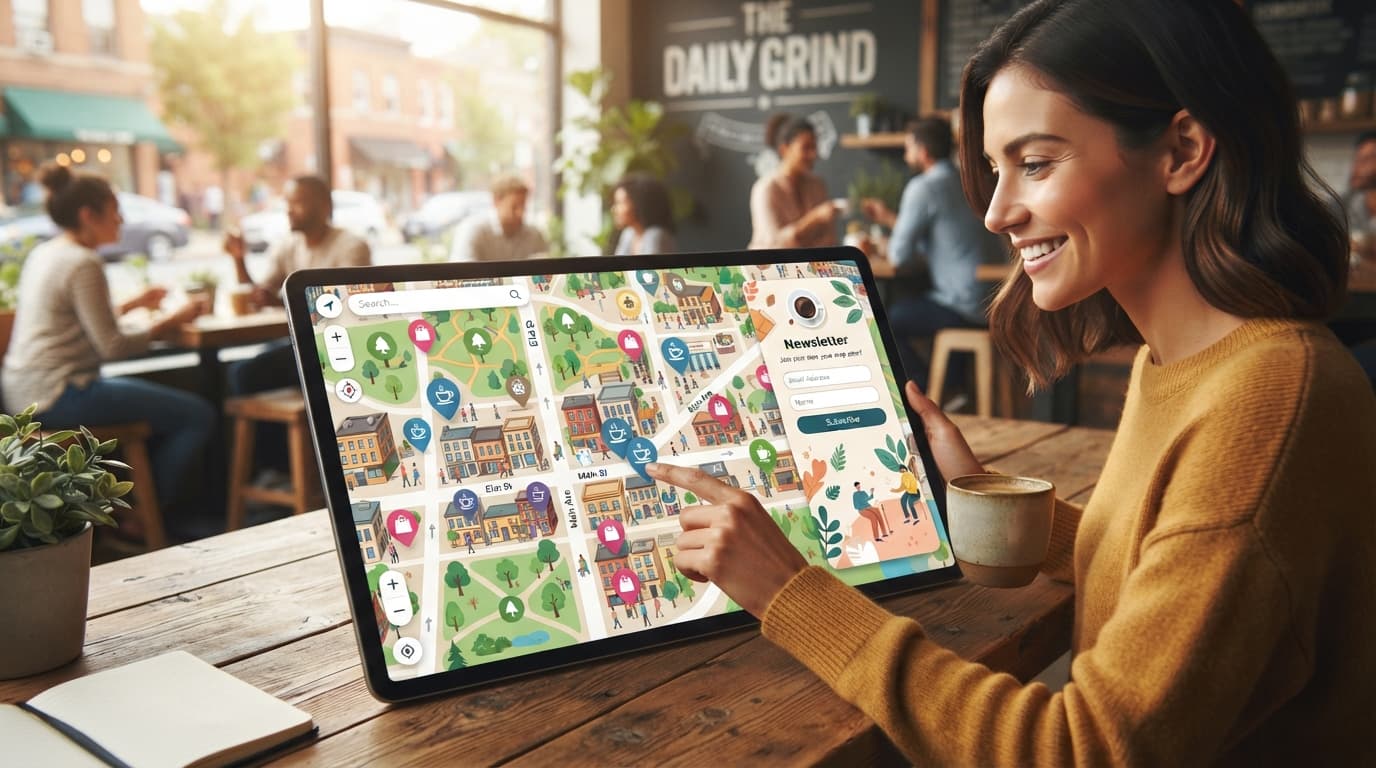
Imagine standing in the center of your town, looking for the best artisanal coffee shop, a reliable plumber, or a hidden park where you can take your dog. You open your phone, only to be met with a sea of outdated static blog posts, cluttered ad-heavy review sites, or generic national apps that miss the true spirit of your neighborhood. Now imagine opening a sleek, beautiful, interactive map tailored specifically to your city. Every pin reveals a curated local gem, and with a single click, you unlock exclusive neighborhood guides delivered straight to your inbox.
For digital publishers, community creators, local media outlets, and neighborhood organizers, this scenario represents an incredible untapped opportunity. Static content is no longer enough to capture attention in an era dominated by immersive user experiences. By transforming a traditional local directory into an interactive map, you not only provide immense daily utility to your audience, but you also create a high-converting engine for email capture. In this comprehensive guide, we will explore why interactive maps are the ultimate growth lever for local media and how you can build one that rapidly scales your newsletter subscriber base.
The Evolution of Local Search and Audience Expectations
The way people discover local information has shifted dramatically over the past decade. The early internet relied heavily on long text-based directories—essentially modern digital versions of the Yellow Pages. While these lists were informative, they lacked context, spatial awareness, and real-time engagement. As mobile device usage exploded, consumer behavior shifted toward visual, location-aware discovery.
Modern consumers expect immediate, visual, and contextually relevant data. They want to see where a business is located relative to their current position, what the vibe is like, and what unique offerings exist nearby. An interactive map satisfies these cognitive desires instantly. It bridges the gap between digital discovery and real-world exploration, turning abstract recommendations into tangible, visitable destinations.
Why Static Directories Are Failing Modern Publishers
Static listicles (e.g., "The Top 10 Bakeries in Seattle") still hold SEO value, but they suffer from significant usability drawbacks:
- High Friction Navigation: Readers must manually copy-paste addresses into a separate navigation app to figure out where businesses are located.
- Poor Mobile Experience: Long walls of text require excessive scrolling on small screens, leading to high bounce rates.
- One-and-Done Utility: Once a user reads the list, they leave the site, resulting in low session duration and minimal repeat traffic.
- Low Conversion Rates: Generic inline email signup forms pasted inside static articles rarely capture user interest because they feel disconnected from the utility of the content.
Why Interactive Maps Are Newsletter Signup Magnets
To convert casual web traffic into dedicated newsletter subscribers, you must offer an equitable value exchange. You are asking for access to a user’s most personal digital space: their email inbox. A standard pop-up saying "Subscribe for updates" yields dismal conversion rates, usually hovering around 0.5% to 1%. An interactive map, however, fundamentally changes this equation by embedding lead generation directly into an essential local utility.
1. High-Value Dynamic Content (Gated Utility)
When users interact with a map, filtering by categories like "Dog-Friendly Distilleries" or "Late-Night Eats," they are actively searching for curated value. By offering downloadable custom map layers, printable guides, or exclusive discount perks via email, you provide a clear, immediate incentive to subscribe. For example, a map marker can show basic information, while a prompt offers: "Unlock our secret offline map of hidden neighborhood cocktail lounges straight to your phone."
2. Hyper-Local Personalization
Relevance drives conversions. An interactive map allows you to segment your audience based on location data and precise interests. A user exploring family-friendly parks in a specific zip code is vastly different from a young professional searching for craft beer spots downtown. Maps allow you to capture zero-party data based on user interactions, enabling you to send hyper-targeted, highly relevant newsletter editions that keep open rates exceptionally high.
3. Elevated User Engagement and Dwell Time
Interactive elements naturally invite gamification and spatial exploration. Users pinch, zoom, filter, and click on custom markers. This extended dwell time builds trust and brand affinity. The longer a visitor stays engaged with your platform, the more receptive they become to subscribing to your ongoing publication.
Step-by-Step Architecture of a High-Converting Map Directory
Building a local interactive map that systematically converts visitors into newsletter subscribers requires deliberate planning across design, data curation, and user experience. Below is the framework for constructing a high-performing map ecosystem.
Phase 1: Curate Strategic, Niche-Driven Data
Do not try to map everything in your city right away; competing with Google Maps on general coverage is a losing battle. Instead, focus on curation, voice, and hyper-niche themes that national platforms ignore. Consider starting with focused collections such as:
- The Ultimate Independent Coffee Trail: Roasters that offer locally sourced beans and reliable Wi-Fi.
- Neighborhood Historical Walking Tours: Architectural milestones and forgotten local legends.
- Family-Friendly Weekend Outings: Parks with playgrounds, clean restrooms, and nearby ice cream parlors.
- Locally Owned Eco-Friendly Retailers: Sustainable boutiques and zero-waste refill shops.
Phase 2: Design for Frictionless Mobile Interactivity
Over 80% of local directory searches occur on mobile devices. If your map is difficult to manipulate with a single thumb, users will abandon it immediately. Your interactive map design should adhere to strict usability principles:
- Custom Map Pins: Use clear, visually distinct icons and color coding for different categories to make the map readable at a glance.
- Bottom-Sheet Drawer UI: When a user taps a pin on mobile, display details in a slide-up bottom sheet rather than a full-page redirect, preserving their place on the map.
- Instant Category Filters: Allow users to toggle categories on and off with single-tap pills at the top of the viewport.
Phase 3: Strategically Place Your Newsletter Touchpoints
Conversion placement must feel organic, helpful, and non-intrusive. Avoid aggressive immediately overlaying pop-ups that block the map before the user has even explored it. Instead, integrate opt-ins at points of maximum interest:
A. The Filter Trigger
When a user selects a specialized filter—such as "Secret Speakeasies"—allow them to view a preview, but offer a prompt to send the full, curated list with direct reservation links straight to their inbox.
B. The Saved Favorites Feature
Allow users to "bookmark" or "favorite" spots on your interactive map. When they attempt to save their third or fourth location, prompt them to enter their email address to save their personalized map and sync it across devices.
C. Local Business Perk Unlocks
Partner with featured local businesses to offer exclusive deals (e.g., "10% off your first visit"). Users enter their email address on the map card to claim the digital coupon, automatically enrolling them in your weekly community newsletter.
The FluxLocal Advantage
Creating a customized, responsive, map-based local directory from scratch used to require months of custom web development, expensive mapping APIs, and complex database management. For local media creators and publishers, technical hurdles often stalled brilliant community projects before they ever launched.
This is where FluxLocal transforms the landscape for local publishers. Engineered specifically to empower community creators, publishers, and neighborhood networks, FluxLocal offers an all-in-one platform that seamlessly blends interactive local mapping with robust publishing and audience monetization tools.
With FluxLocal, you do not need to write a single line of code to deploy interactive map directories that captivate your audience. The platform provides intuitive management tools that allow you to easily plot points of interest, customize markers, organize rich media, and capture audience leads directly through intuitive map interfaces. By unifying directory functionality with native email marketing workflows, FluxLocal turns every local map marker into an active subscriber channel, letting you focus on what matters most: curating incredible stories and building a vibrant, connected local community.
Best Practices for Nurturing Map-Generated Subscribers
Capturing an email address through an interactive map directory is only the beginning. To turn new subscribers into lifelong, enthusiastic readers of your local newsletter, you must deliver immediate value that validates their decision to sign up.
Deliver an Automated Welcome Series
The moment a reader subscribes via your interactive map, trigger an automated welcome email series tailored to their entry point. If they signed up through a local food map, your automated sequence should look like this:
- Email 1 (Immediate): Deliver the requested map access link along with a warm introduction to your publication's mission.
- Email 2 (Day 3): Share your editorial team's personal top 3 dining picks that aren't listed on the public map.
- Email 3 (Day 7): Invite them to participate in your broader community newsletter, setting clear expectations for weekly frequency and content themes.
Continuously Update and Promote Your Maps
An interactive map directory should never be static. Treat it as a living, breathing asset. Highlight a "Map Location of the Week" in your regular newsletter editions, encouraging existing subscribers to re-engage with your web platform. Invite your audience to submit their own missing local favorites through a submission form, building a sense of co-ownership and community pride.
Transform Your Local Directory into a Growth Engine Today
The future of local digital publishing belongs to platforms that prioritize real utility, dynamic visual experiences, and authentic community connections. A static list of addresses no longer excites readers or solves their real-time local discovery needs. By building an intuitive, curated interactive map, you provide a high-value resource that effortlessly attracts visitors and converts them into dedicated newsletter subscribers.
Whether you are launching a neighborhood blog, scaling a regional media brand, or building a local business network, integrating interactive maps is the single most effective way to turn casual browsers into an engaged community. Stop relying on outdated listicles and hidden popup forms. Empower your audience to explore their city like never before, and watch your subscriber numbers soar.
Ready to revolutionize your local community platform and supercharge your newsletter growth? Discover how FluxLocal can help you build stunning interactive maps, engage your audience, and grow your subscriber base effortlessly today.