The Solopreneur's Survival Guide: How to Beat Burnout as a Single-Operator Local Journalist
Local news is vital, but running a solo publication can lead to extreme fatigue. Learn actionable strategies to manage your workload and beat burnout without losing your passion.
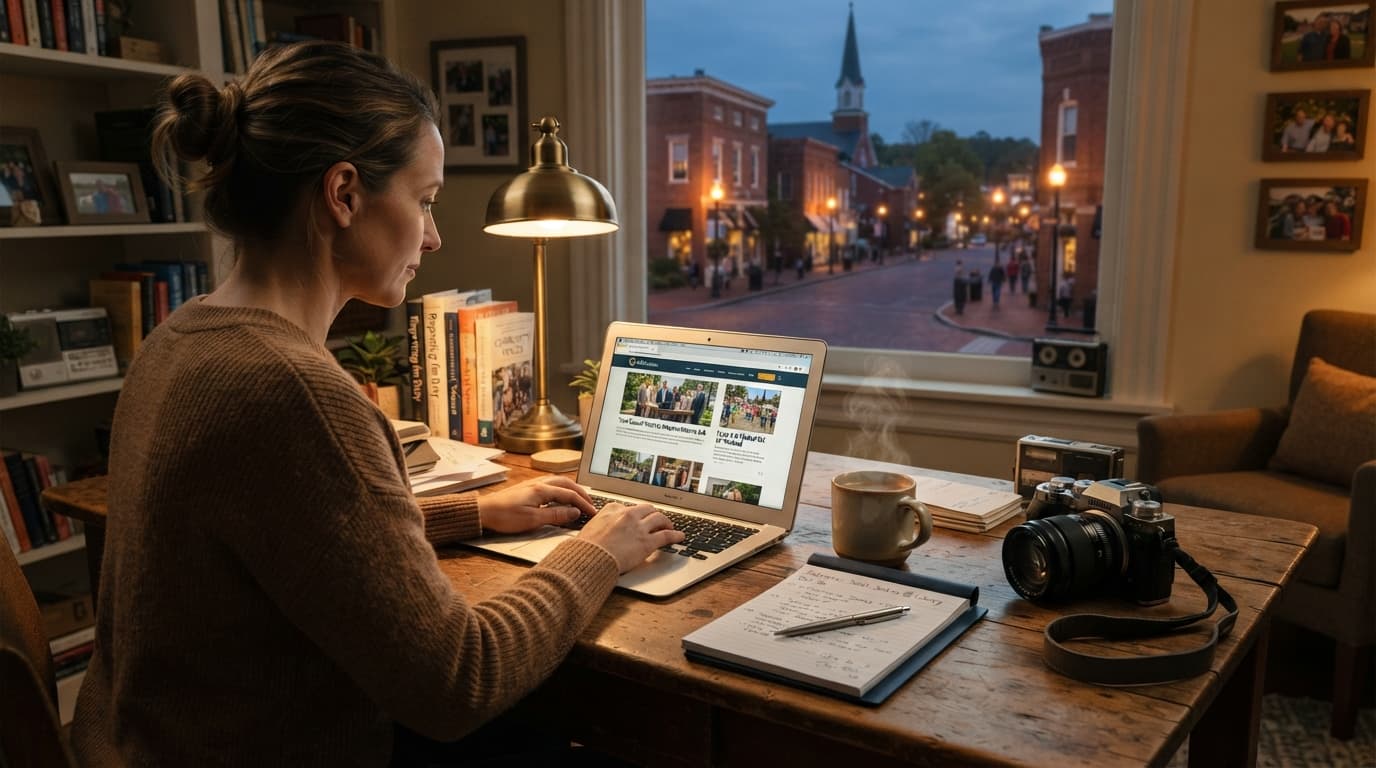
The alarm buzzes at 5:30 AM, casting a cold, blue glow across the bedroom. For the single-operator local journalist, the day does not begin with a quiet cup of coffee or a mindful stretch. Instead, it starts with a frantic scroll through local social media groups, a quick scan of municipal police logs, and a sinking feeling in the stomach upon seeing three unanswered emails from local business owners. By 9:00 AM, you have written a breaking news update, scheduled four social media posts, fielded a call from an angry reader, and attempted to troubleshoot a database error on your website. By noon, you are mentally hollow, yet the day is not even half over.
This is the reality of the solo local journalist—the "solopreneur" of civic information. You are the reporter, editor, photographer, copyeditor, social media coordinator, ad sales representative, accountant, and IT department all rolled into one. While the mission of keeping your community informed is deeply rewarding, the structural demands of running a one-person newsroom are a direct recipe for chronic, systemic burnout. If you do not learn how to manage this weight, your publication—and more importantly, your well-being—will suffer. Here is how you can reclaim your time, protect your mental health, and fall in love with community reporting all over again.
The Anatomy of Solo-Journalist Burnout
Burnout in journalism is not merely feeling tired after a long week; it is an occupational syndrome characterized by emotional exhaustion, depersonalization, cynicism, and a severely diminished sense of personal accomplishment. For single-operator journalists, this risk is amplified by several unique systemic pressures:
- Hyper-Proximity to the Subject: Unlike national reporters who fly in and out of stories, you live alongside the people you cover. You see the city council members at the grocery store. You bump into the subjects of your investigative pieces at local diners. This constant proximity creates an emotional weight that is difficult to escape.
- The Myth of "Always-On" Reporting: In a world of 24/7 digital connectivity, there is a pervasive expectation that local news must be instantaneous. If a fire breaks out at midnight, the solo journalist feels a profound guilt if they are not there to document it in real-time.
- The Financial Tightrope: Running a local news site means constantly worrying about cash flow. When your livelihood relies on subscription renewals, local ad sales, and community donations, taking a day off feels like a direct threat to your financial stability.
Recognizing the Warning Signs Before the Crash
Because solo journalists are inherently driven, passionate individuals, they often ignore the early warning signs of physical and emotional collapse. Recognizing these red flags early can prevent a temporary slump from turning into a career-ending crisis.
Physical and Cognitive Fatigue
Are you experiencing persistent headaches, insomnia, or digestive issues? Is it becoming increasingly difficult to focus on a simple city council agenda, or are you making uncharacteristic typos in your copy? Cognitive fatigue impairs your executive functioning, making decisions feel agonizing and tasks take twice as long as they should.
Growing Cynicism and Apathy
The hallmark of a great local journalist is curiosity and empathy. When burnout takes hold, that curiosity is replaced by cynicism. If you find yourself dreading interviews, feeling resentful toward your readers, or thinking, "Why do I even bother?" you are deeply entrenched in the burnout zone. This apathy is a defense mechanism your brain uses to protect itself from overexertion.
Tactical Strategies to Reclaim Your Sanity
Beating burnout requires more than taking a bubble bath or drinking a glass of water; it demands a fundamental, structural overhaul of how you operate your newsroom. You must shift your mindset from being a reactive firefighter to a proactive systems designer.
1. Establish Hard Digital Boundaries
Just because you work from home or out of local coffee shops does not mean your community has 24/7 access to your mental space. Establish clear "newsroom hours" and stick to them. Add a line to your email signature stating: "Inquiries received after 6:00 PM will be processed the following business morning." Turn off push notifications for email and social media platforms on your phone after hours. If a major story breaks, the world will wait a few hours for a thoughtful, accurate report rather than a rushed, exhausted update.
2. Master the Art of the "Strategic No"
You cannot cover everything, and trying to do so is a disservice to your audience. Create a strict editorial matrix to evaluate what stories truly deserve your limited time. Ask yourself:
- Does this story impact a significant portion of our community?
- Is another media outlet already covering this adequately?
- Does this align with our core editorial mission?
If the answer is no, politely decline to cover it. Suggest that community members submit their own press releases or write-ups for a dedicated "Community Voices" section, transferring the labor back to the source.
3. Implement Task Batching
Context switching—jumping from writing an article to calling an advertiser, then to fixing a website bug, and back to editing photos—is incredibly taxing on the brain. Instead, structure your week into theme days or dedicated blocks of time. For example:
- Mondays: Administrative tasks, invoicing, site maintenance, and planning.
- Tuesdays & Thursdays: Reporting, interviewing, and writing.
- Wednesdays: Ad sales outreach and community engagement.
- Fridays: Editorial wrap-up, newsletter curation, and preparing weekend evergreen content.
Building an Emotional Firewall
To survive as a local journalist, you must decouple your personal identity from your professional output. Your publication is what you do; it is not who you are. When a reader leaves a vitriolic comment on an article, they are reacting to the content, not attacking your worth as a human being.
Find hobbies and social circles completely unrelated to local politics or community affairs. Join a regional hiking club, take an art class in a neighboring town, or commit to reading fiction that has nothing to do with the news. Giving your brain a completely different sandbox to play in allows your cognitive faculties to recover and recharge.
The FluxLocal Advantage: Your Virtual Newsroom Partner
One of the primary drivers of burnout for single-operator journalists is the sheer volume of non-journalistic work required to keep a digital publication alive. Managing ad networks, optimizing local search presence, sending newsletters, and trying to build a sustainable digital audience can easily consume 70% of your workweek, leaving you with precious little time to do what you actually love: reporting.
This is where FluxLocal becomes your ultimate ally. Designed specifically to support and elevate local community ecosystems, FluxLocal acts as a force multiplier for solo news publishers. By leveraging the advanced tools, syndication networks, and audience engagement platforms provided by FluxLocal, you can offload the heavy technical and marketing lifting that typically drains your energy.
With FluxLocal, you gain access to:
- Automated Local Distribution: Get your stories in front of the right local eyes without spending hours manually posting to dozens of fragmented social media groups.
- Streamlined Monetization Tools: Simplify your local ad management, sponsorship outreach, and reader-supported donation funnels so you can secure a stable income without feeling like a full-time salesperson.
- An Interactive Community Hub: Foster healthy, moderated community discussions around your reporting without having to police toxic comment sections on your own site or social media pages.
By delegating these administrative and technical headaches to a dedicated community platform, you can transition back to being a journalist first, preserving your mental bandwidth and ensuring the long-term sustainability of your local publication.
Sustaining the Future of Civic Journalism
Local journalism is the bedrock of a healthy democracy. It holds local councils accountable, celebrates community milestones, and binds neighbors together. But a burned-out journalist cannot write the stories that matter. Taking care of your mental health is not a luxury or an act of self-indulgence—it is an act of professional survival and civic responsibility.
By setting boundaries, ruthlessly prioritizing your coverage, batching your tasks, and utilizing powerful support platforms, you can build a sustainable, joyful career in local reporting. You do not have to carry the entire weight of your community's news ecosystem on your shoulders alone.
Ready to reclaim your time, streamline your digital publishing, and banish burnout for good? Discover how partnering with a dedicated community network can transform your workflow. Visit FluxLocal today to explore tools designed to help solo publishers thrive, not just survive.
---CONTENT_END---