The 4-Hour Workweek for Solo Local Newsletter Publishers
Want to run a thriving local newsletter without sacrificing your nights and weekends? Learn the step-by-step blueprint to build, automate, and monetize your publication in just four hours a week.
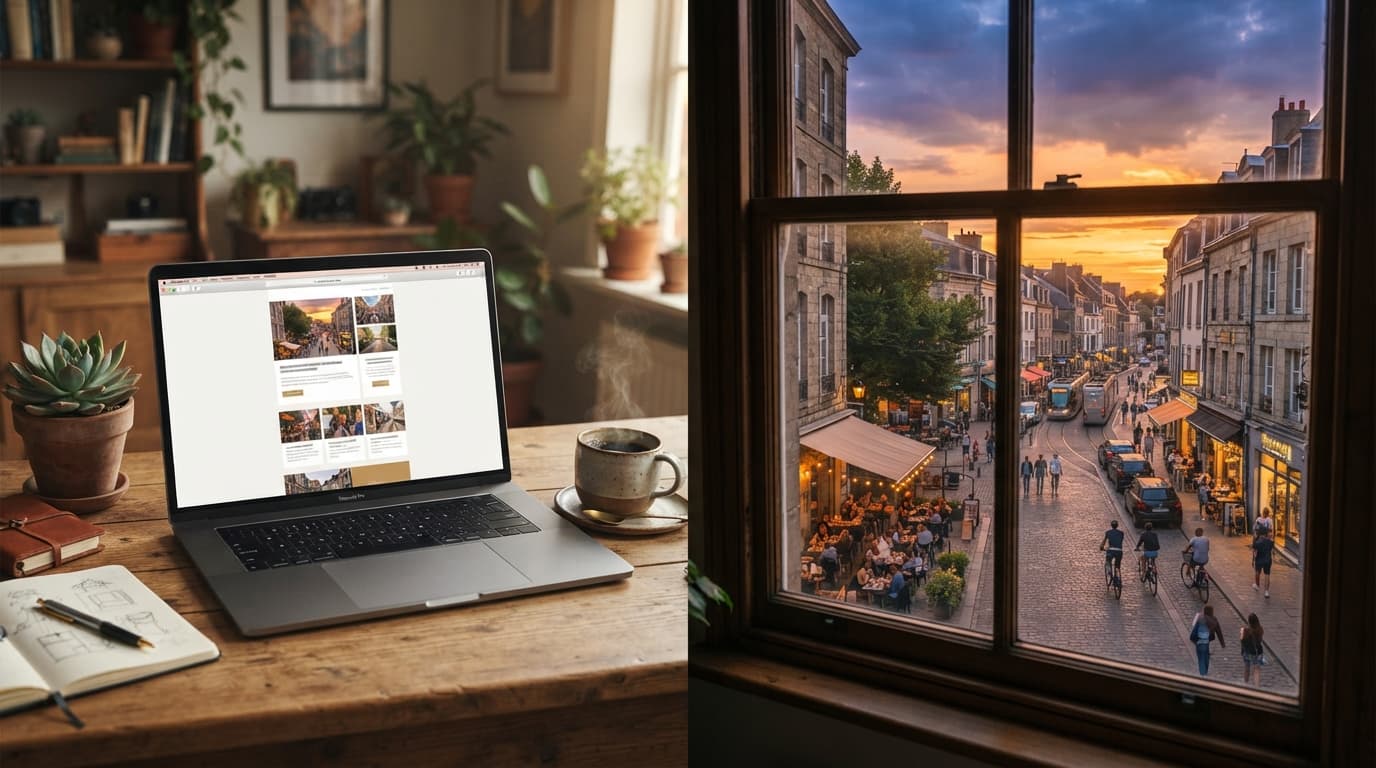
Imagine waking up on a Friday morning, grabbing a hot cup of coffee, and opening your laptop to find your local newsletter has just been delivered to thousands of eager residents in your community. Within minutes, your inbox fills with replies from grateful readers, local business owners thanking you for the traffic, and confirmation of automated payout deposits. The best part? You spent a grand total of four hours putting the entire publication together this week.
For most traditional local journalists and media publishers, this scenario sounds like a fantasy. The conventional local news model is notorious for its grueling hours, endless city council meetings, and exhausting door-to-door ad sales. But a quiet revolution is taking place. Solo operators are building highly profitable, deeply impactful local newsletters by shifting their role from hyper-producers of original journalism to master curators of local community culture. By adopting the principles of leverage, automation, and smart content curation, you can build a sustainable, influential media business on a part-time schedule.
The Economics of the Solo Local Newsletter
Traditional local newspapers are struggling under the weight of legacy overhead, declining print subscriptions, and bloated operations. However, the demand for high-quality local information has never been higher. People want to know what is happening in their neighborhoods: which new restaurants are opening, what events are scheduled for the weekend, and what major changes are coming to their local school districts.
As a solo newsletter publisher, your competitive advantage is your lean business model. Without physical print costs, distribution trucks, or office space, your overhead is near zero. This means you do not need millions of readers to build a highly profitable business. A dedicated list of 3,000 to 5,000 local subscribers can easily generate a significant monthly income through targeted local sponsorships, classified ads, and premium memberships.
But how do you manage to source content, design the layout, secure advertisers, and build your audience without letting the business consume your life? The secret lies in a highly structured, time-blocked system designed around a four-hour workweek.
The 4-Hour Weekly Time-Blocking Blueprint
To run a highly engaging weekly newsletter in just four hours, you must ruthlessly eliminate busywork and treat your time as your most valuable asset. This is not about cutting corners; it is about building a highly efficient system. Here is how to break down your four-hour workweek:
Hour 1: Strategic Content Curation and Ingestion
The biggest trap for local publishers is trying to write original, 2,000-word investigative articles every week. Instead, position yourself as the ultimate local filter. Your job is to save your readers time by curating the absolute best local events, news, and updates into one easily digestible email.
During your first hour, you will gather all your raw material. Do not browse the web aimlessly. Instead, build an automated content ingestion system:
- Set up RSS Feeds: Use a feed aggregator like Feedly to pull in updates from local government sites, school boards, police blotters, and existing regional blogs.
- Monitor Social Listening Channels: Create curated Twitter lists of local officials, school accounts, and community organizers. Monitor active local subreddits and neighborhood Facebook groups.
- Automate Calendar Submission: Set up a simple form on your website where local event coordinators, venues, and non-profits can submit their own events directly to you. This transforms your community into your unpaid research team.
By the end of this hour, you should have a curated list of the top 5-7 news items and 5 weekend events that deserve your readers' attention.
Hour 2: The Template-Driven Writing Phase
Staring at a blank page is a massive time-waster. Your newsletter should follow a strict, unchanging layout every week. This consistency benefits your readers, who know exactly where to find their favorite sections, and speeds up your production process immensely.
A highly effective local newsletter layout consists of:
- The Quick Catch-Up: 3-4 bulleted summaries of major local news items, complete with links to the original sources for readers who want to dive deeper.
- The Weekend Planner: A curated list of the top 3-5 local events happening in town, organized chronologically.
- Local Business Spotlight: A brief shout-out to a new or beloved local business, often paired with a sponsor slot.
- Community Photo of the Week: A user-generated photo sourced from Instagram (with permission), celebrating the local landscape.
Write using a conversational, neighborly tone. Write concise, punchy summaries. Because you are linking out to the original sources of major news stories, you do not need to spend hours writing investigative paragraphs. You are the trusted guide pointing them in the right direction.
Hour 3: The Passive Revenue Engine
If you spend your week chasing local businesses for $50 ad spots, you will burn out within a month. Your monetization system must be as automated as your content curation.
Instead of manual outreach, set up a self-serve advertising portal using tools like Passionfroot, Letterhead, or simple Typeforms integrated with Stripe. Create fixed advertising packages, such as:
- Primary Newsletter Sponsorship: A prominent banner image and a 100-word blurb at the top of the newsletter.
- Classified Ads: Short, text-only shoutouts for local jobs, real estate listings, or garage sales placed near the bottom.
- Dedicated Event Listings: Featured placement in the weekly event calendar.
During Hour 3, review your automated booking calendar, approve the copy submitted by your sponsors, copy-paste their creatives into your newsletter template, and send out automated reminder emails to upcoming sponsors for the following weeks. You can also spend 15 minutes of this hour sending automated, template-based cold emails to businesses that are actively advertising in print newspapers or local Facebook groups, inviting them to book a slot on your digital self-serve platform.
Hour 4: Optimization, Audience Growth, and Broadcast
The final hour of your workweek is dedicated to polishing your draft, scheduling the broadcast, and executing high-leverage growth strategies.
Spend the first 15 minutes reviewing your newsletter on your phone to ensure the formatting is mobile-friendly and all links are fully functional. Once the draft is scheduled, focus the remaining 45 minutes on growth levers that do not require ongoing daily maintenance. These include:
- Setting up local cross-promotions: Partner with local micro-influencers, podcasters, or neighborhood association presidents to trade shout-outs.
- Optimizing your subscriber referral program: Use tools like SparkLoop to incentivize your existing readers to share your newsletter with their neighbors in exchange for local rewards (like stickers, reusable shopping bags, or free coffee from a local partner).
- Reviewing your data: Analyze your open rates, click-through rates, and unsubscribe numbers to understand what content resonated most, allowing you to streamline your content selection process for the following week.
The High-Leverage Tech Stack
To run a solo local media empire in just four hours a week, you need to lean heavily on your digital infrastructure. Your tech stack should handle the heavy lifting of distribution, payment collection, and organization. Here is the ultimate minimalist toolkit for a solo local publisher:
- Newsletter Platform (beehiiv or Substack): These platforms are built specifically for independent creators. They offer built-in referral programs, robust analytics, and simple monetization tools without requiring coding knowledge.
- Zapier or Make: Use these integration tools to automate your workflows. For example, you can create a rule that automatically adds calendar submissions from a Google Form directly into your draft newsletter database in Notion.
- Notion: Use Notion as your digital editorial calendar and repository to store evergreen local facts, sponsor assets, and template structures.
The FluxLocal Advantage
One of the biggest challenges for any solo newsletter publisher is distribution and hyper-local audience discovery. It is one thing to write a beautiful newsletter, but it is another to get it in front of the exact residents who live in your target zip codes. This is where FluxLocal becomes your ultimate unfair advantage.
As a leading local community platform, FluxLocal connects neighborhood residents, local businesses, and community organizers in a unified digital ecosystem. By integrating your solo newsletter with the FluxLocal platform, you tap into an established, highly engaged audience of locals who are actively looking for the information you curate.
Instead of spending hours trying to master local SEO or burning money on expensive social media ads, you can syndicate your curated newsletter content directly onto FluxLocal. This instantly exposes your brand to thousands of hyper-local readers. Furthermore, the platform serves as an incredible sourcing engine. You can discover trending local topics, upcoming community events, and pressing neighborhood discussions on FluxLocal, drastically cutting down the time you spend on content curation during your first hour of the workweek. It is a symbiotic relationship: you provide high-quality curated content, and FluxLocal provides the platform, reach, and community engagement to help you scale your subscriber list organically.
Conclusion: Designing a Sustainable Local Media Business
The era of the stressed-out, overworked local newspaper publisher is coming to an end. By shifting your mindset from a 24/7 news reporter to a highly efficient local curator, you can build an incredibly valuable asset that serves your community while giving you back your time.
With the 4-Hour weekly blueprint, a optimized tech stack, and the right strategic partnerships, you can run a profitable, highly respected local media outlet while maintaining a full-time job, traveling, or spending time with your family. The community wins because they get a clean, highly curated guide to their neighborhood, local businesses win because they get a highly targeted way to reach customers, and you win because you have built a high-leverage business model that works for you.
Ready to start your journey as a highly efficient solo publisher? Leverage the power of community-driven platforms. Join the local ecosystem, expand your local footprint, and connect with your future subscribers today by visiting FluxLocal.
---CONTENT_END---